
Food for the Soul: “Metamorphoses” in Amsterdam
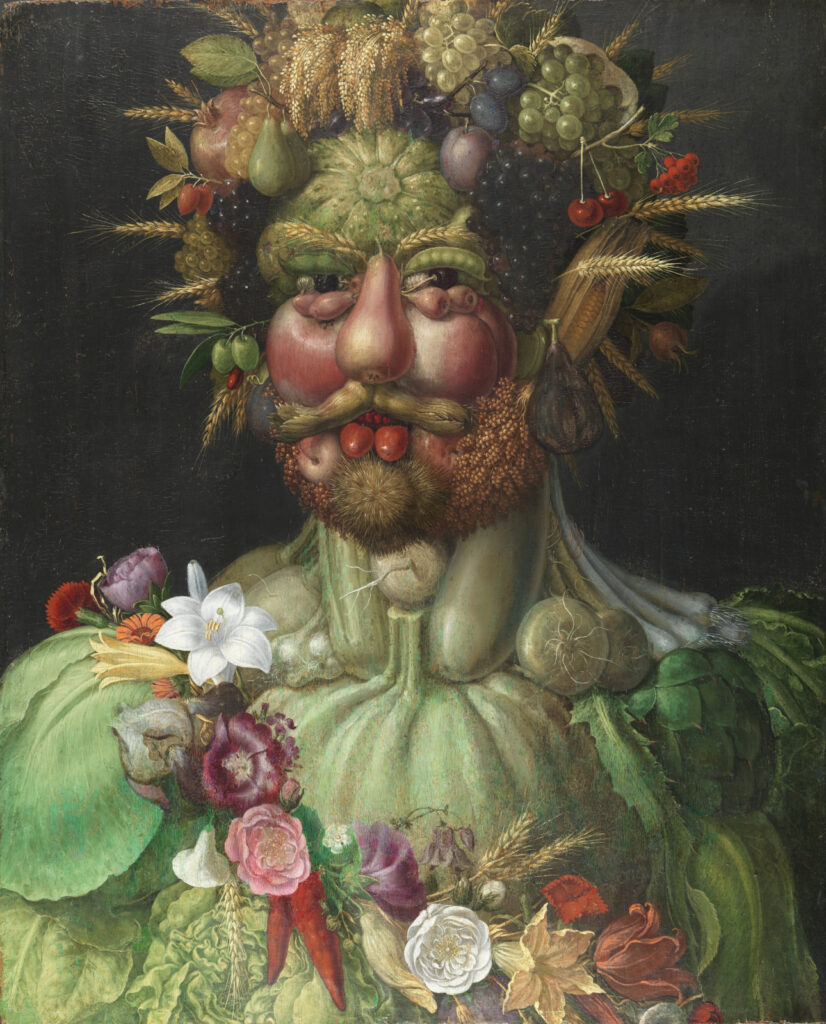
“No work from classical antiquity, either Greek or Roman, has exerted such a continuing and decisive influence on European literature as Ovid’s Metamorphoses.”
~ Ian Johnston
By Nina Heyn
Sometimes it is good when an art exhibition is not reduced to a predictable subject like “masterpieces of xx artist” or “the art of xx period.” Metamorphoses—an exhibition curated jointly by the Rijksmuseum in Amsterdam and Galleria Borghese in Rome—takes as its theme the famous book by antiquity poet Ovid, creating a bridge between centuries of art and literature and our modern sensibilities.
The original work by the Roman poet was an epic consisting of 15 books (“sections”), 250 myths and stories, and a thematic scope of the “history of the world” from the creation of mankind to Julius Caesar (Ovid was born at the beginning of Caesar’s reign). The myths and stories told by Ovid have served as inspiration for countless works of literature, including by Chaucer and most notably Shakespeare, as well as all the Renaissance and Baroque artists whose paintings, decorations, and sculptures illustrated Ovidian stanzas. His flowery poems have fed artists’ and writers’ imaginations for centuries. In the Renaissance, they dominated intellectual life, while during the Enlightenment they waned somewhat (Ovid was not then so popular). In later centuries, his tales again became fertile ground for realists, symbolists, and surrealists alike.
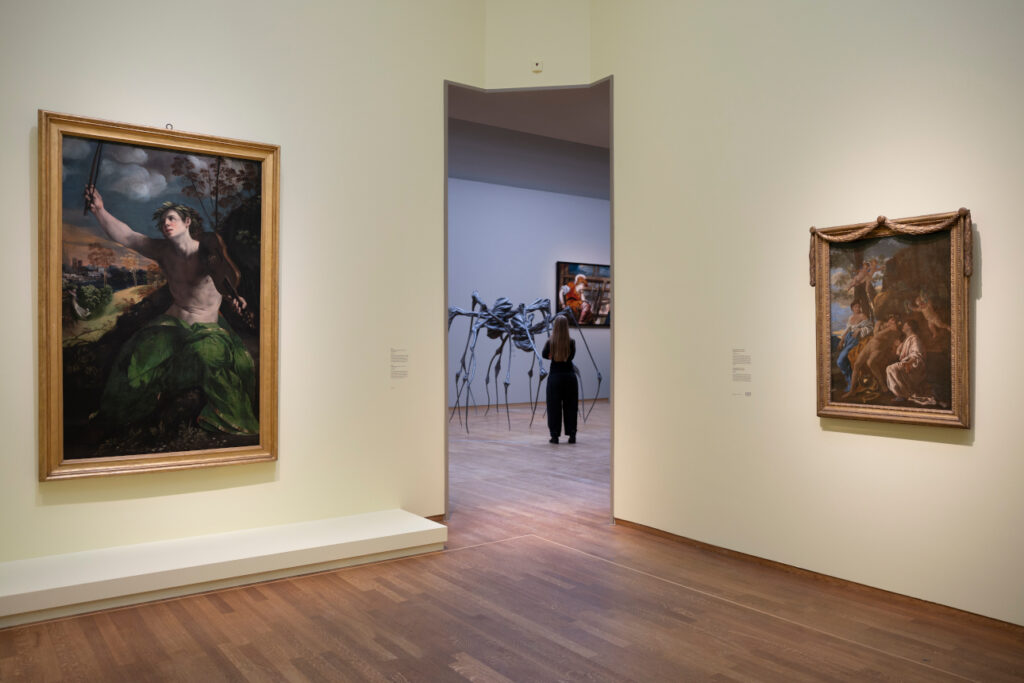
“The only thing that is constant is change.” This old adage is served well in this exhibition by a collection of artworks that show the transformation of a person into an animal or even a tree, or examples of hybrid beings composed of two different genres, species, or matter.
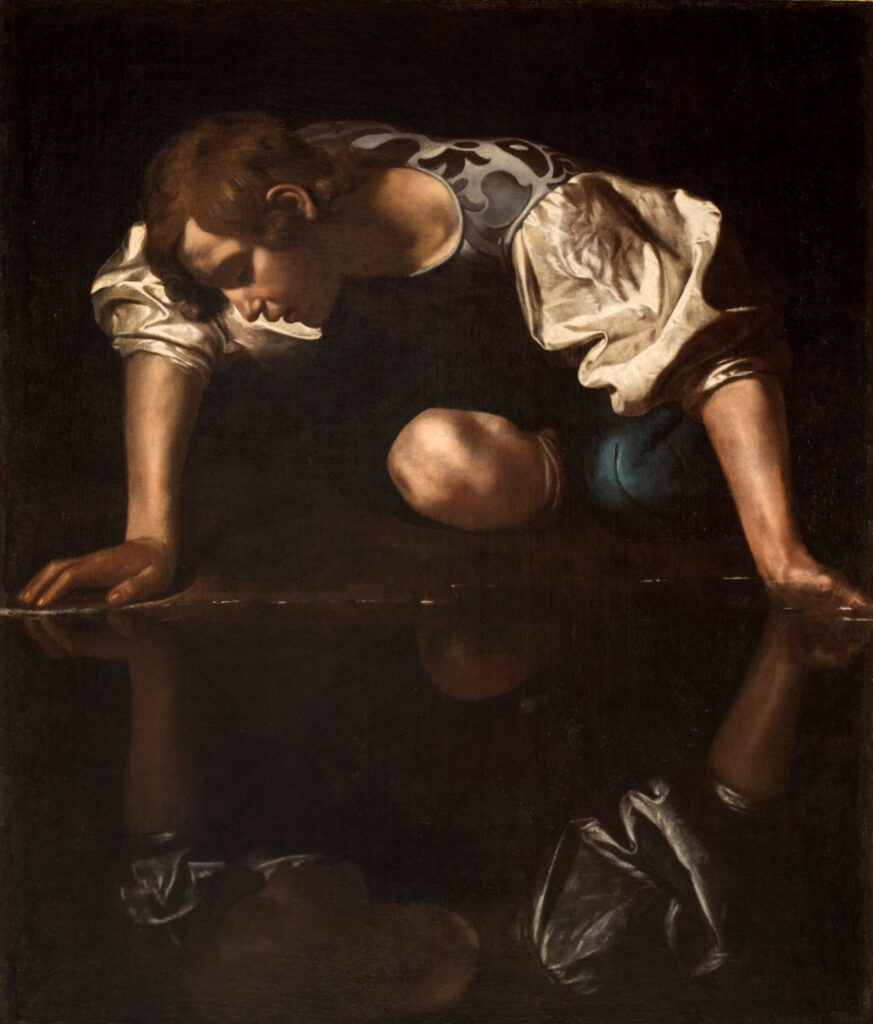
Have you ever wondered where the common term “narcissistic personality” comes from? That’s right, it mostly comes from Ovid’s retelling of a Greek myth about a youth called Narcissus whose infatuation with his own image—which he spies in water when quenching his thirst—is his demise. Narcissus, the son of river nymph Liriope, was foretold that he would be unable to be loved by the one he fell in love with. This comes true when he sees the reflection of his own face. Caravaggio’s masterful painting shows that moment of self-infatuation in a picture that reduces all external elements just to the figure of Narcissus himself and his alluring reflection. Other images on this theme might show the nymph Echo that Narcissus rejected or, in a Flemish tapestry, Narcissus gazing at himself down a well which is placed in a garden full of plants and animals. Caravaggio’s version is the story at its purest—just the man entranced with himself.
One of the classic transformational Ovidian tales is the one about Pygmalion and his marble sculpture of a beautiful woman named Galatea. This is represented by works of two Parisian artists of the second part of the 19th century: Auguste Rodin (1840-1917) and Jean-Léon Gérôme (1824-1904).
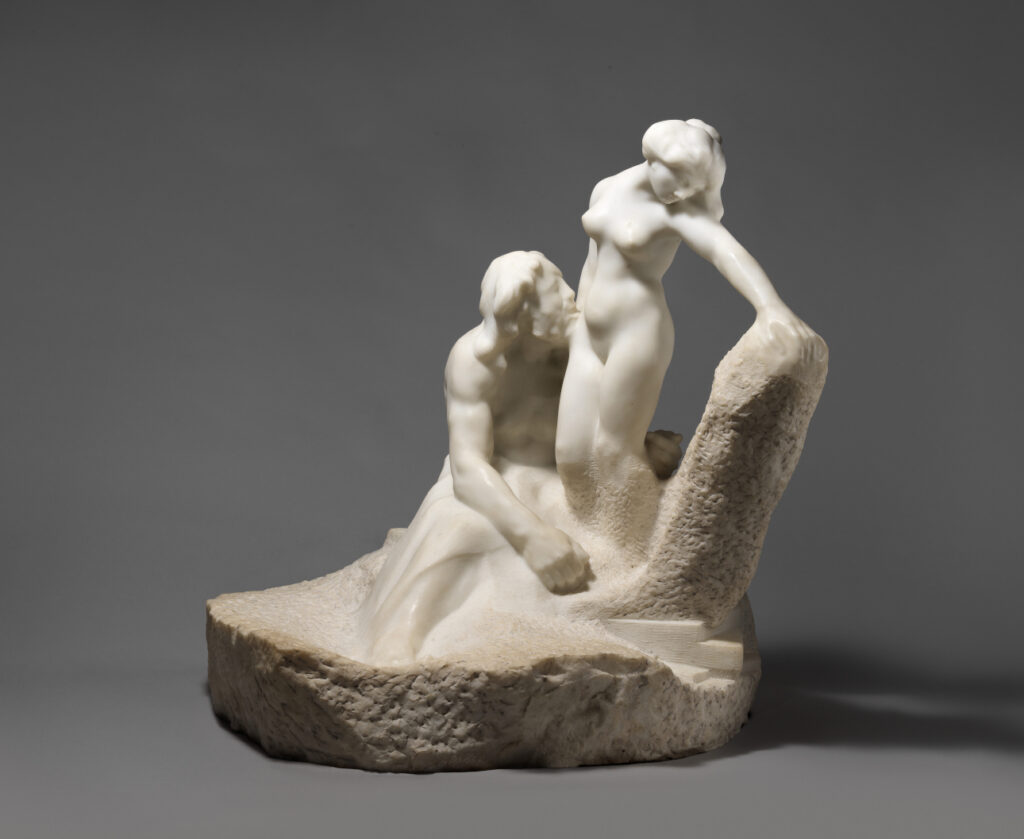
Rodin shows Galatea as half-emerging from the rough stone of the base, her face already human, her gaze falling upon her hand, still encased in a rough piece of stone. Pygmalion, protectively enveloping her figure and planting a kiss on her hip, is at the same time her creator and her admirer—exactly as in the myth. Rodin himself, in conversations with friends, admitted to admiring his own work—he was retelling a story of artistic creation while identifying with the mythical sculptor. Like Pygmalion, Rodin was liberating out of the hard marble the shapes of people even if, unlike the Greek artist, he would not be able to bring them to life.
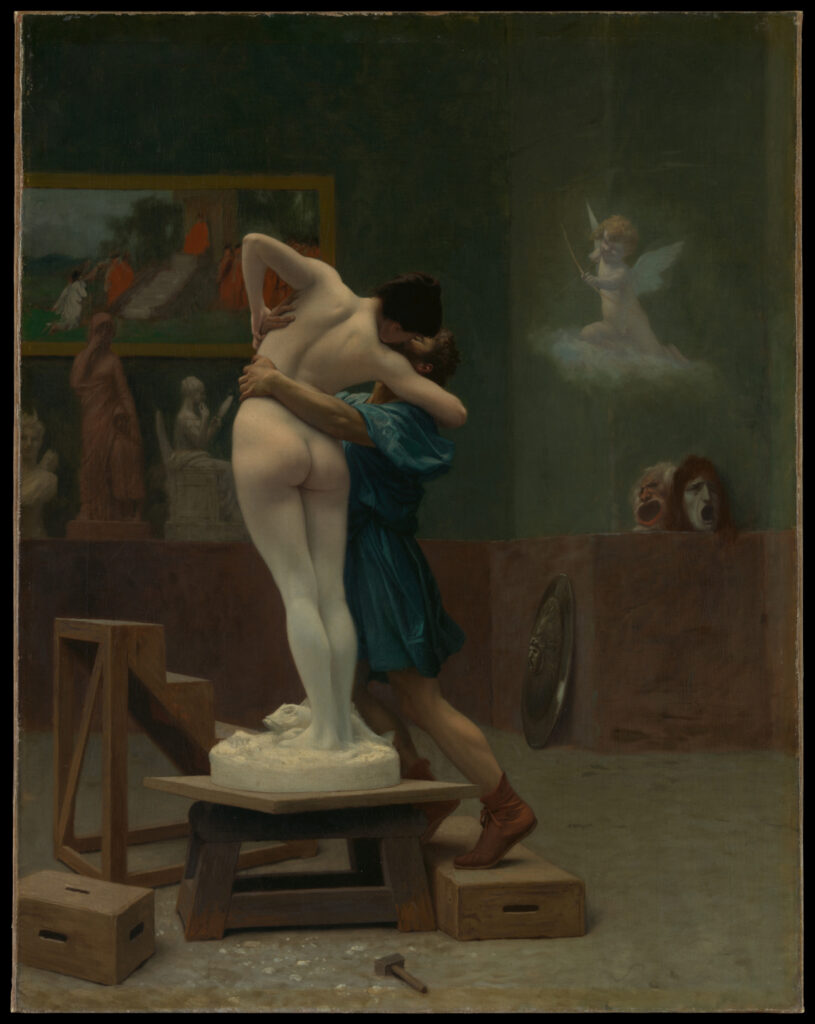
For Rodin, the myth was about him and his artistic medium of stone: a tale of a master sculptor who could carve a statue so lifelike that even the goddess Venus deemed it worthy of animating. For Gérôme, this myth seemed to be more about a love that transcends the medium. Pygmalion’s infatuation with the marble figure is so strong that the goddess of love offers the ultimate gift for any lover—the chance for a union. Gérôme, who also started to sculpt at the time of making this painting, found this story of Ovid’s so inspirational that he painted three versions and made a sculpture as well. In his paintings, he could show what a white marble sculpture could not—the change of color. The top of Galatea’s body is pink because she is already partially turned into flesh.
A reverse body change—from real flesh into a tree—is the theme of Ovid’s retelling of the encounter of the god Apollo and a nymph called Daphne.
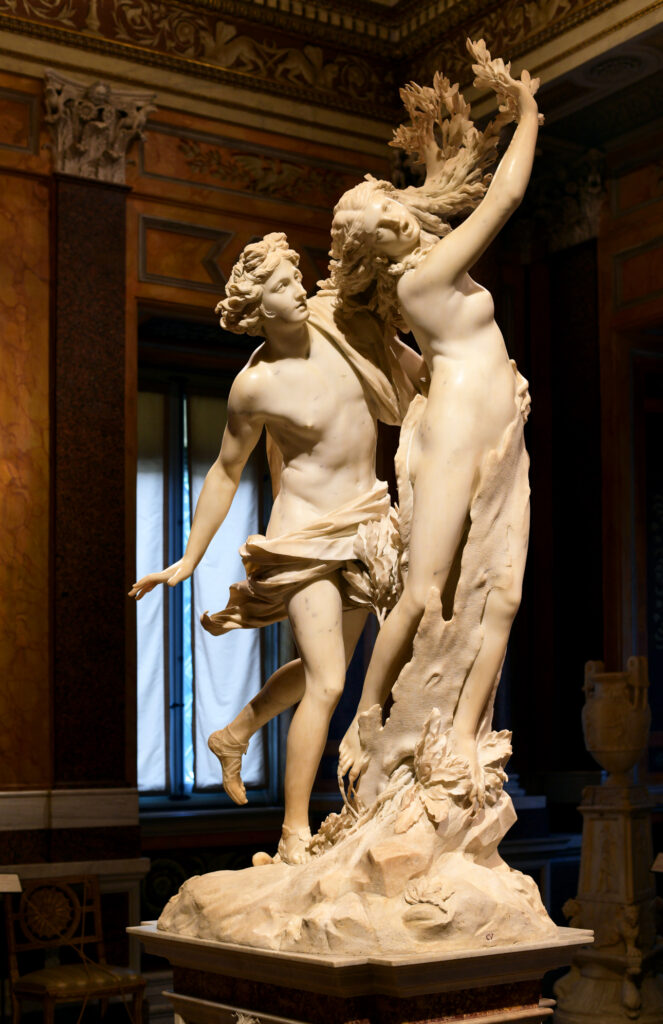
It is hard to show a change in a static work of art. In modern times, Alexander Calder’s mobiles or any contemporary video installation can deal with the subject more easily because images or objects can actually move. In the 17th century, this was not an option (other than, for example, objects with movable parts like automata and clocks). Gian Lorenzo Bernini (1598-1680), a giant of Baroque sculpture, was an artist very much taken by the idea of transformation, and he found in Metamorphoses a rich source of inspiration. Bernini’s Apollo and Daphne sculpture is based on Ovid’s retelling of the Greek myth. The god Apollo was pursuing a nymph called Daphne who, resisting his advances, called for help to her father, the river god Peneus. When she asks him to make her less attractive to her stalker, he transforms his daughter into a laurel tree. Bernini shows her in a twisting movement, mouth open in a scream, but her body is already half encased in a tree trunk, with her hair already sprouting leaves—she is being transformed in front of our eyes, even if this change is expressed in one of the least pliable materials around, Carrara white marble. This sculpture is not on display at the Amsterdam location of the exhibition, but it will be available in the show in Rome.
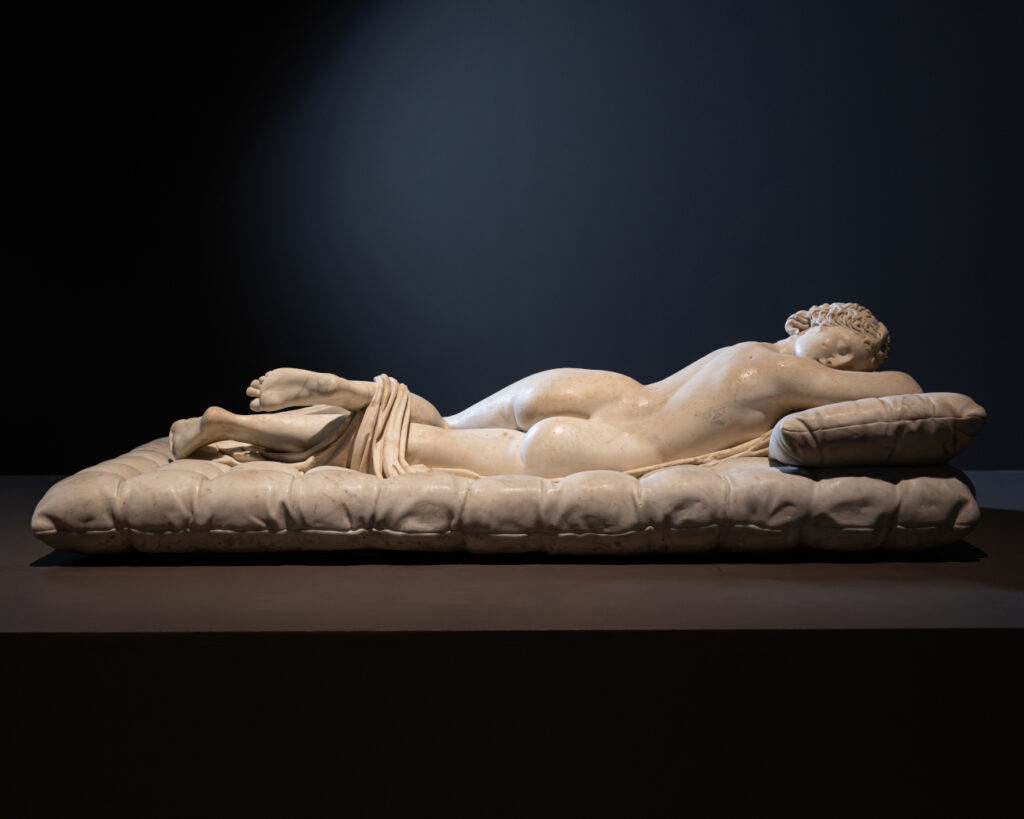
Ovid’s epic proffers so many variations on the theme of change: Athena changing the boastful weaver Arachne into a spider, Diana punishing Acteon by transforming him into a stag chased by his own hounds, Apollo changing Lycian peasants into frogs, gods merging the nymph Salmacis with the youth Hermaphroditus into one being composed of two sexes. All of these ideas show up in exhibition artworks—the frog transformation is a theme of a charming 16th-century tapestry, the Hermaphroditus story became a famed marble Roman statue (with Bernini making a base for it in the shape of a mattress), and Acteon changed into a stag was created as a gilded figurine with antlers made of coral.
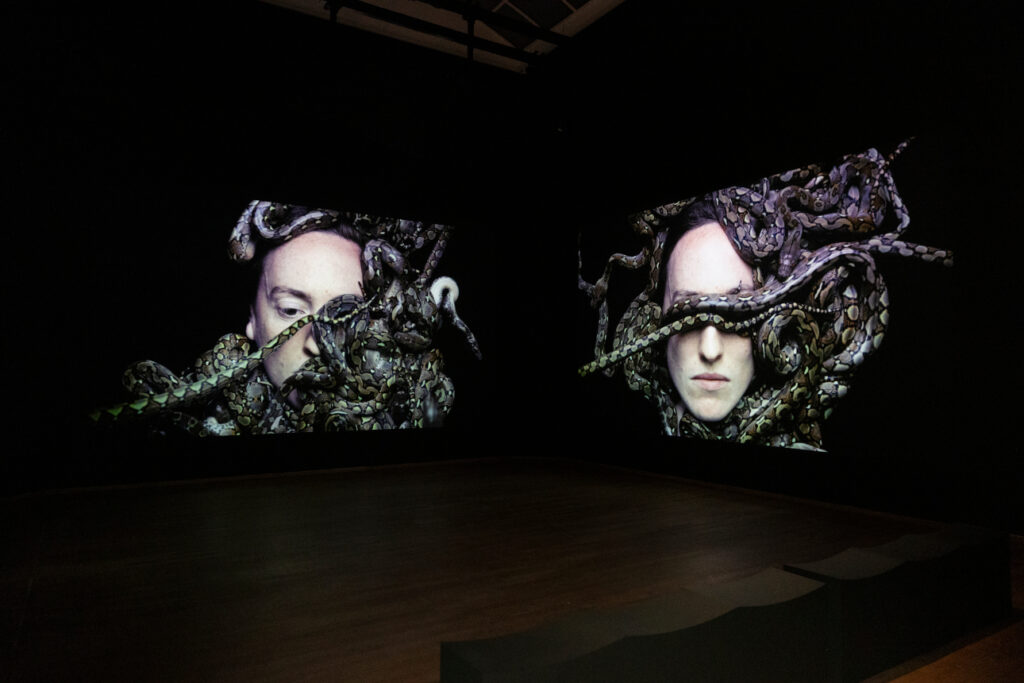
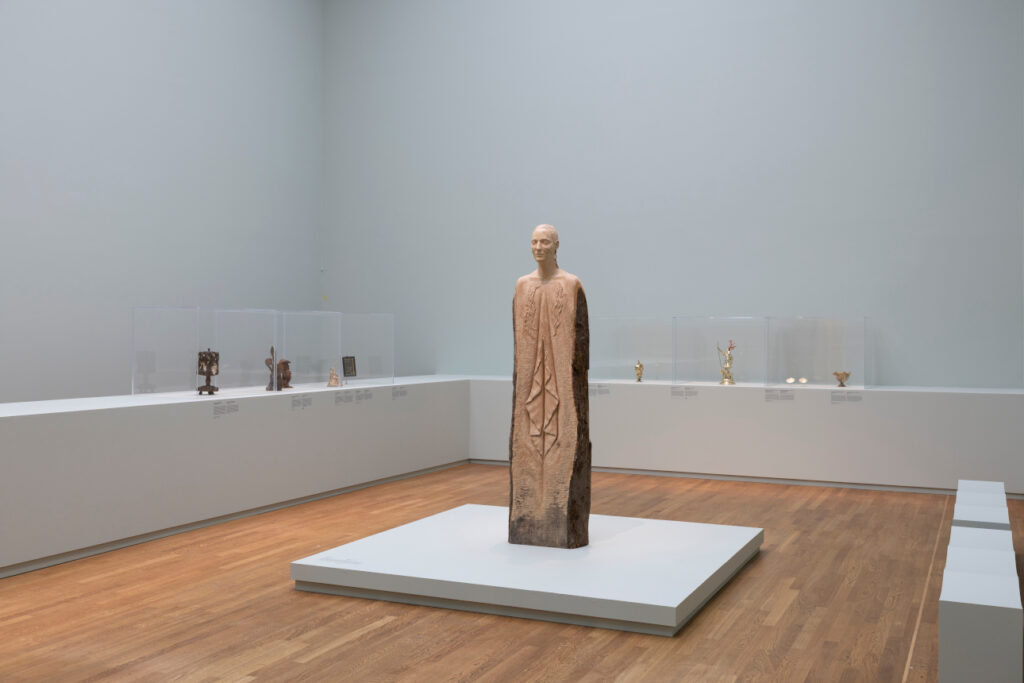
In modern art, Ovid’s ideas of transformation are expressed in media other than paintings: Spawn, a video installation by contemporary artist Juul Kraijer, is a film of a woman’s face with writhing pythons crawling all over; a photo-documentary series by Polish artist Roman Opałka shows a man’s face changing over decades; and a limewood sculpture by Dutch artist Femmy Otten shows a woman fused or emerging from a tree trunk.
I will leave you with the final words of Ovid, which ring extremely true. Though he wrote them at the dawn of the current era (literally, in 8 CE), his writings have survived for 20 centuries, unlike the militarily arrogant Rome that was his home.
And now, my work is done, which neither Jove
Nor flame nor sword nor gnawing time can fade.
That day, which governs only my poor frame,
May come at will to end my unfixed life,
But in my better and immortal part
I shall be borne beyond the lofty stars
And never will my name be washed away.
Where Roman power prevails, I shall be read;
And so, in fame and on through every age
(If bards foretell the truth at all), I’ll live.
Metamorphoses presents over 80 paintings, sculptures, decorative objects, and audiovisual works from 50 museums and collections around the world. It is open at The Rijksmuseum between Feb. 6 – May 26, 2026 and between June 23 – Sept. 20, 2026 at the Galleria Borghese in Rome.