
Food for the Soul: Art Postcard from Paris
By Nina Heyn
This is the time of year when spring is in full force in Paris—trees are green (after months of gray emptiness), people sit outside in cafés (after months of bundling up), and museums are brimming with new art shows. Here is a sampling of the latest offerings at principal museums in the art capital of the world.
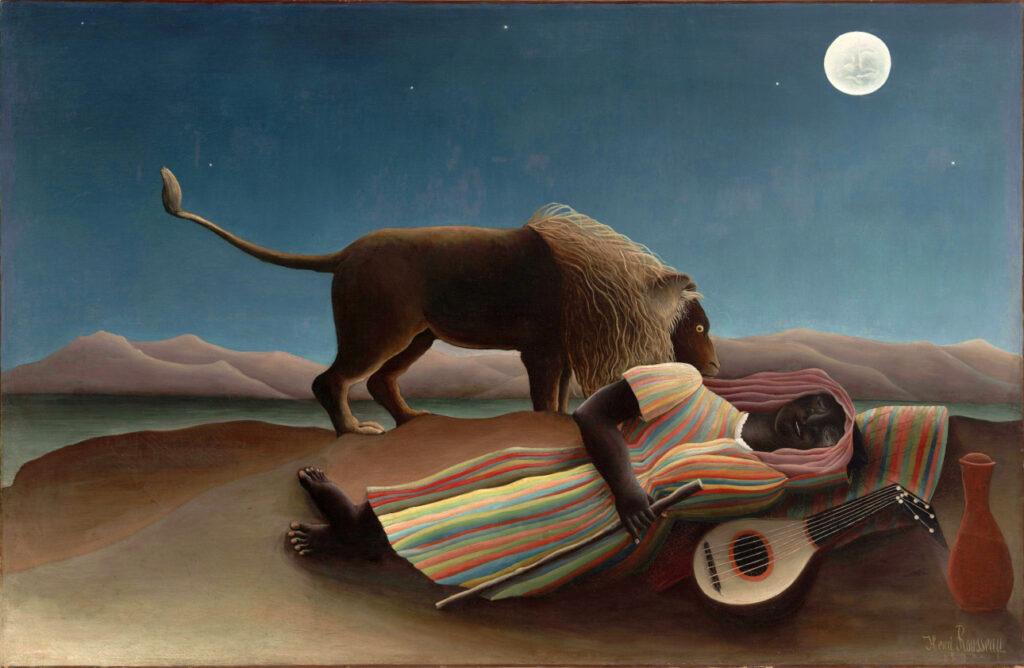
Henri Rousseau, A Painter’s Ambition
Exhibition dates: March 25 – July 20, 2026
A crowd-pleaser, this is a retrospective of the strange art of a self-taught dreamer. Rousseau also dreamed of official recognition—state medals, inclusion in official exhibitions, and commissions for city hall decorations—but it was a dream never realized. Officialdom shunned him as “an amateur.” Instead his recognition came from fellow artists: Picasso gave a luncheon in his honor and collected his paintings, so did Modigliani, and even though Rousseau died in obscurity, later his tombstone was funded by an artists’ collective. The exhibition assembles Rousseau’s works, from his earliest attempts at portraits to the inventive jungle fantasies of his artistic maturity. Pure fun!
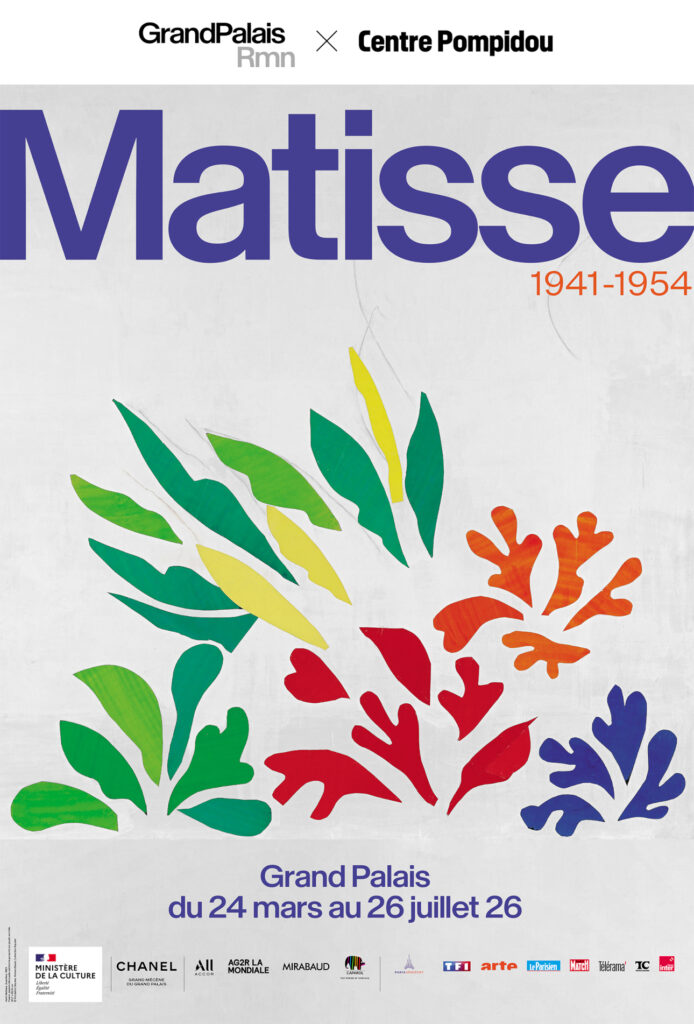
Matisse 1941-1954
Exhibition dates: March 24 – July 20, 2026
The Matisse exhibition is mounted at the newly renovated Grand Palais, a beautiful building which is now serving as a showroom for collections from the Centre Pompidou – Musée National d’Art Moderne, which itself is undergoing several years of renovations. The exhibition focuses on the last period of Matisse’s life, during WWII and in the post-war years, when the artist had severe arthritis and other conditions that kept him largely bedridden. With the help of his model and assistant Lydia Delectorskaya, Matisse switched from painting large canvases in oils, an activity that would keep him upright for hours, to a new form of expression that he perfected and made his own: paper cutouts. He would have paper painted with gouaches in vibrant colors of his own careful selection, and then he would cut them out into shapes of his composition. The result is joyful, complex, and fascinating.
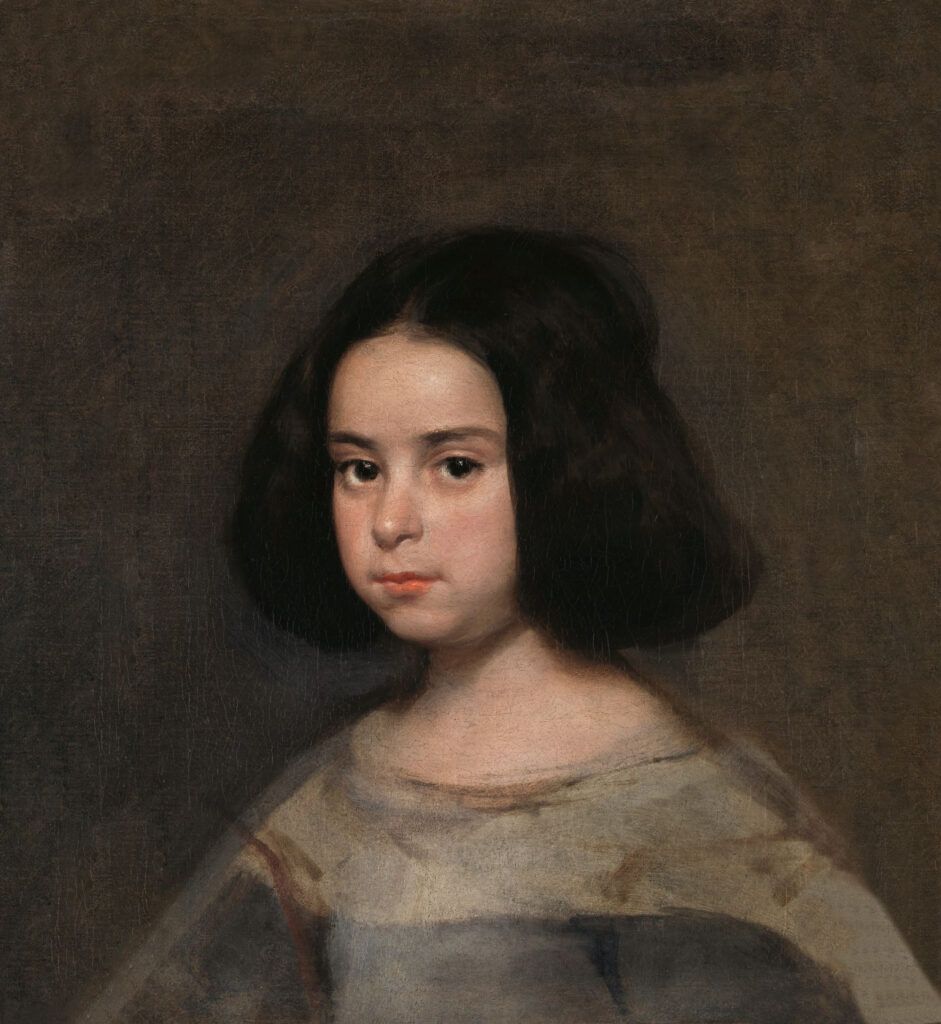
Baroque Splendors (Paintings from the Hispanic Society of America)
Exhibition dates: March 26 – August 2, 2026
The Musée Jacquemart-André, an intimate museum with just a few rooms, is a venue of extremely well curated art shows that I have covered many times. This exhibition takes a look at a collection on loan from the Hispanic Society of America—a venue well known to New Yorkers but practically unknown to Parisians—in order to showcase Spanish Baroque art and its influence on culture in the Spanish dominions of the time. The highlight of the show is an exquisite portrait of a girl by Diego Velázquez, as well as paintings by other Spanish Baroque grands—Murillo, El Greco, and Zurbarán.
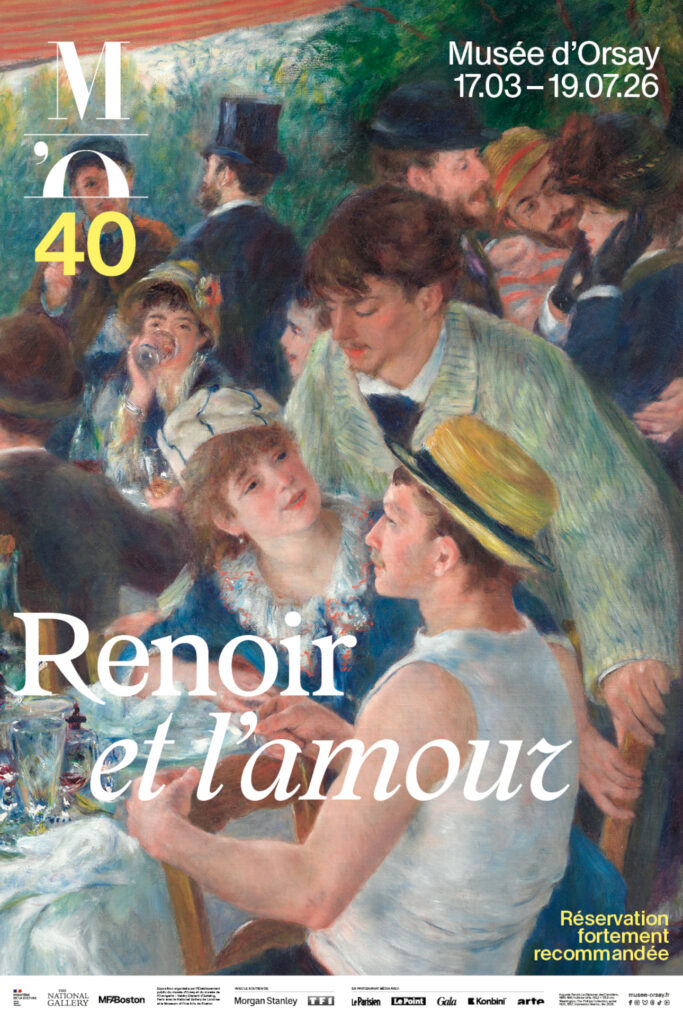
Renoir and Love: A Joyful Modernity (1865-1885)
Exhibition dates: March 17 – July 19, 2026
Securing iconic Renoir artworks from his most fertile Impressionist period, this exhibition is organized by the Musée d’Orsay together with the National Gallery, London, and the Museum of Fine Arts, Boston. This is an assembly of some of the artist’s most popular paintings, from d’Orsay’s Dance at the Moulin de la Galette to the epitome of Renoir’s compositional and narrative skill—The Luncheon of the Boating Party—which, exceptionally, is visiting from the Phillips Collection in Washington, DC. Room after room of the most memorable canvases can remind everybody how much Renoir’s art is a spirit-lifting experience. The exhibition is accompanied by a concurrent show titled Renoir Drawings, which features rarely exhibited preparatory drawings, composition essays, and notebook sketches that the artist did throughout his career.
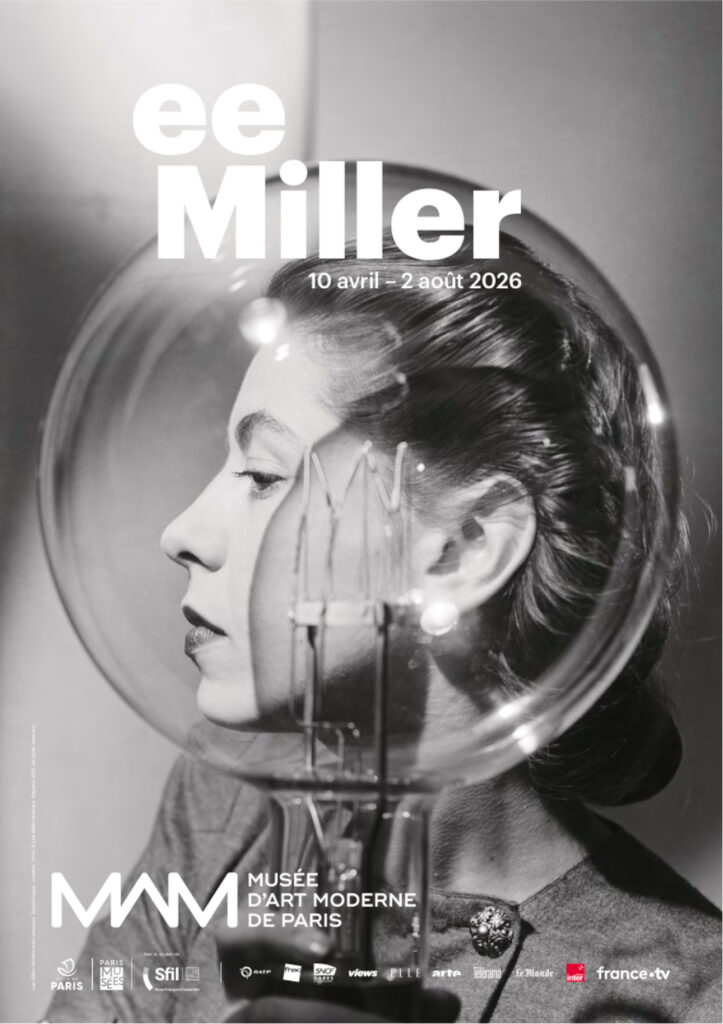
Lee Miller
Exhibition dates: April 10 – August 2, 2026
Some of you may be familiar with the excellent biopic Lee from 2023, starring Kate Winslet as the intrepid American fashion and avant-garde photographer who became a WWII war correspondent through her sheer talent and determination. The current exhibition at the Musée d’Art Moderne de Paris features a huge retrospective of Lee Miller’s artworks. In collaboration with Tate Britain and the Art Institute of Chicago, the exhibition brings together about 250 original photos and modern reprints that track Miller’s progress from first being a fashion model, to her relationship with Man Ray (which introduced her to Parisian bohème), to her innovative and pioneering work as Vogue’s photographer in London, to her most dramatic transformation into a war reporter embedded with the U.S. army advancing through Germany. Although the infamous photos of the American army liberating the camp at Dachau were taken by Miller, as a woman photographer her name fell into obscurity after the war. The exhibition, which was previously shown at Tate Britain, will travel to the Art Institute of Chicago between August 29 – December 7, 2026.
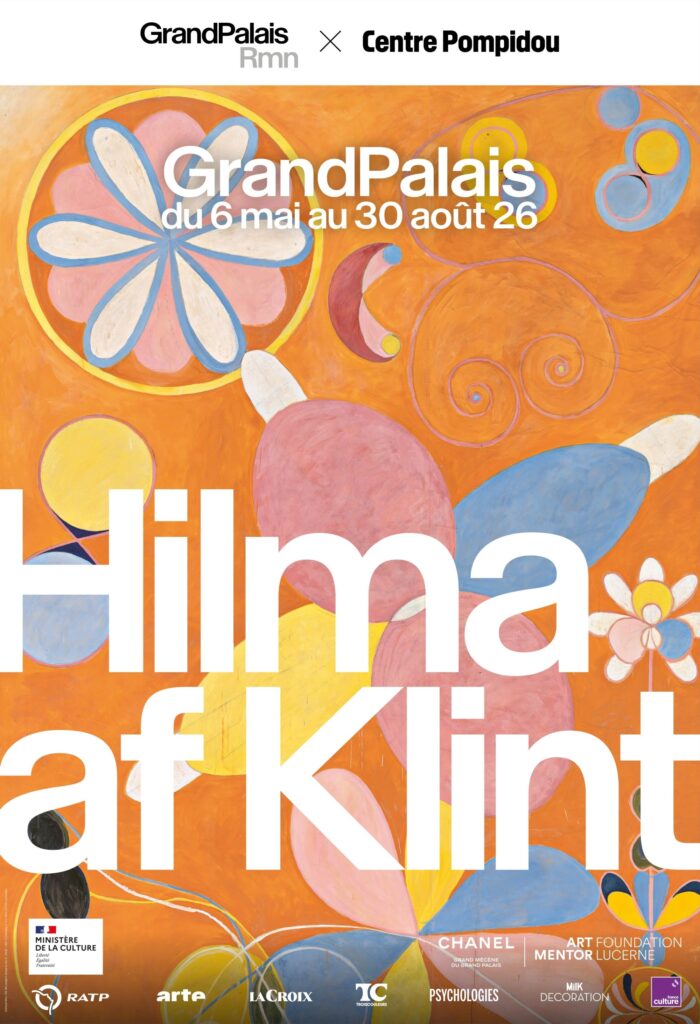
Hilma af Klint: Paintings for the Temple (1906-1915)
Exhibition dates: May 6 – August 30, 2026
In the title of this exhibition of paintings by Swedish woman and artist Hilma af Klint, the dates (1906-1915) are the most important part. Klint started painting abstract compositions in 1906, that is, years before the so-called “birth of abstract art” around 1911-1912. Klint’s large-format gouaches of crisscrossing lines, spirals, and tunnels are full of mystery and spirituality even today, long after her blend of mysticism and art has faded away. Equally fascinating are Klint’s later oil paintings, very much in the style of the New Age—except that they predated that spiritual movement by at least half a century.
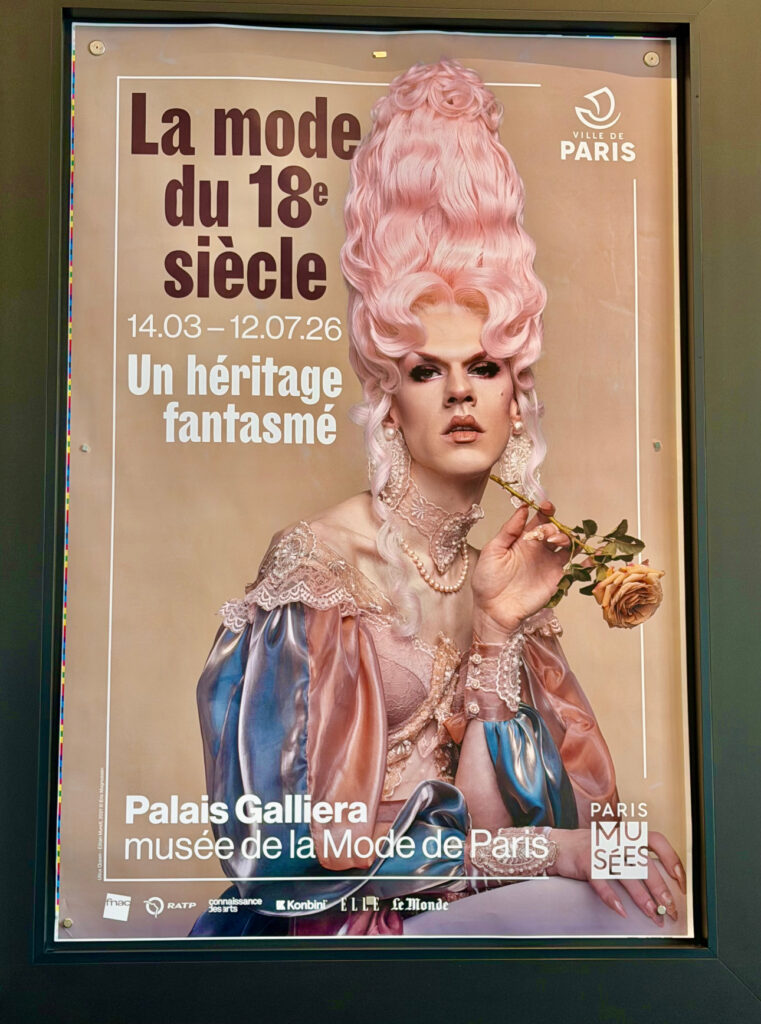
Fashion in the 18th Century. A Fantasized Legacy
Exhibition dates: March 3 – July 12, 2026
A new show at Palais Galliera, which is a fashion museum and a temple of the most iconic part of French culture (except French cuisine, of course), presents various aspects of 18th-century couture, such as types of gowns, laces, and accessories used for different occasions. It also presents more modern fashion items to illustrate the influence of the Rococo style on later designs, from 19th-century laces to modern haute couture. A visual feast for all fans of fabrics, color, and historical costume.
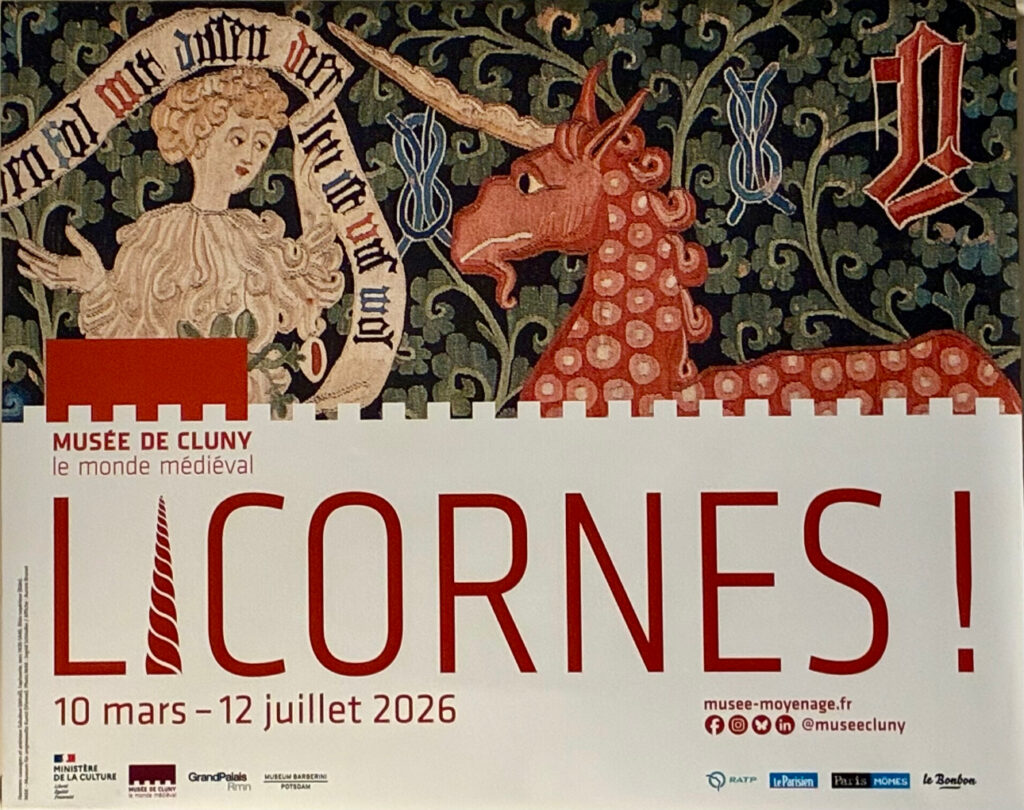
Unicorns!
Exhibition dates: March 10 – July 12, 2026
For an animal that does not really exist, the unicorn’s persistence in literature, the arts, heraldry, symbolism, mythology, religion, and generally human consciousness is impressive. The National Museum of Medieval History (Musée de Cluny) has a family-pleasing but history-teaching exhibition devoted to various representations of this horned horse. The heart of the exhibition are the Cluny’s own stunning tapestries, but there are also videos, silver figurines, medieval stained glass, and religious sculptures featuring unicorns in all their aspects, from luck-giving to threatening.