Food for the Soul: Art Postcard from Italy
By Nina Heyn
Every two years, Venice hosts the Art Biennale (art alternates with architecture)—a showcase of exhibitions from various countries as well as individual artists’ presentations. The latest 61st edition, titled “In Minor Keys,” includes entries from 110 participants—countries, organizations, art collectives, or individuals.
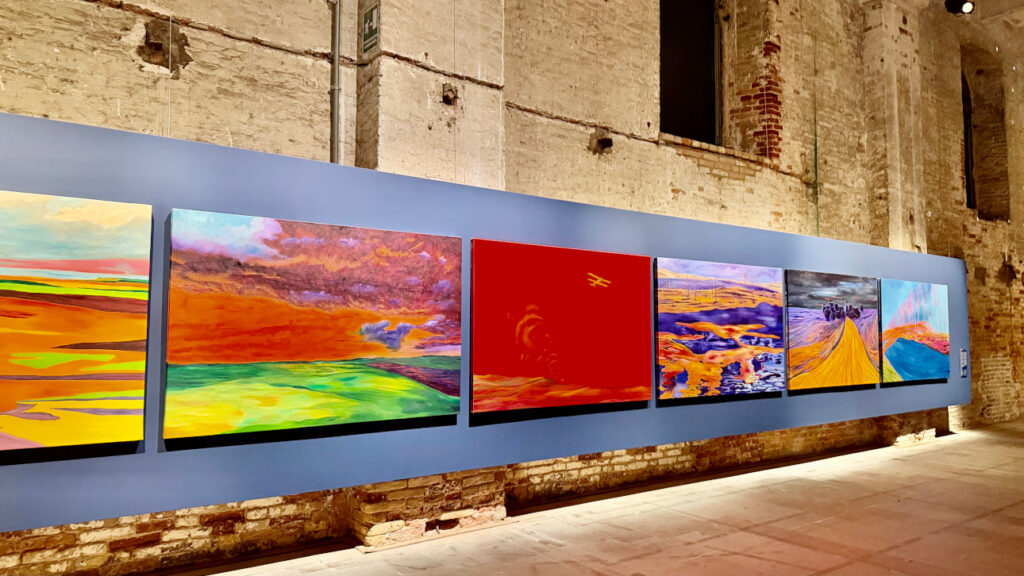
The Biennale’s curator, Koyo Kouoh, passed away in 2025, but the show remains true to her vision and choices of artists, thanks to which there are many presentations from Africa, Australia, Asia, and Black and ethnic communities all over the world. In fact, it is very refreshing to be confronted with numerous entries from the non-Western world that approach traditional mediums like painting or sculpture from completely different angles. For example, there is a display of very visceral and passionate large landscapes in neon colors from Bonnie Devine, a First Nation artist from Canada. Her paintings examine lands around the Serpent River, where the soil has been impacted by uranium mining and the river is radioactive. Both the quality of painting and the message these works imply are much more powerful than most of the other works displayed.
Most of the art exhibited veers on the side of the unusual, either by theme or more often by form. There is room after room of displays featuring scrunched fabrics, bent metal, mounds of plaster or concrete, and creations out of plastic, rope, or wood. This is typical of contemporary art, but this particular edition of the Biennale feels a bit like a step backward—a lot of the artworks feel derivative, or at least not very original. Some of them have interesting shapes, and many refer to some ecological or social message, but they mostly are expressions of very personalized concerns of the artist, to the point that the artwork becomes obscure or a tad narcissistic. Artists always voice their obsessions, or at least their opinions, but sometimes the casual viewer gets nothing out of it other than perhaps a fleeting sense of surprise. The Biennale displays are mostly undecipherable without reading the explanatory label; this, again, is typical of many contemporary artworks but a bit exhausting when served in such huge quantities at the fair.
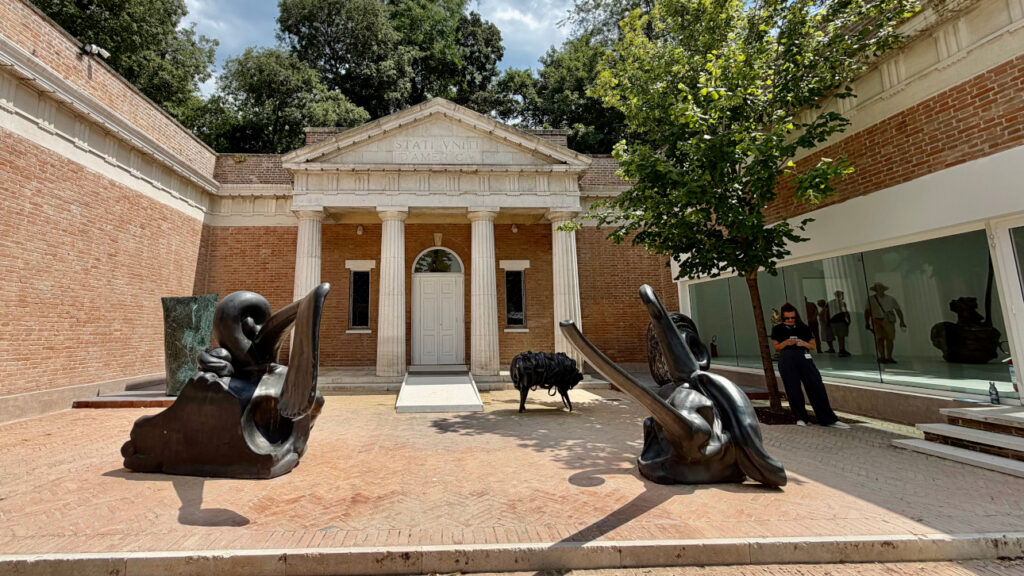
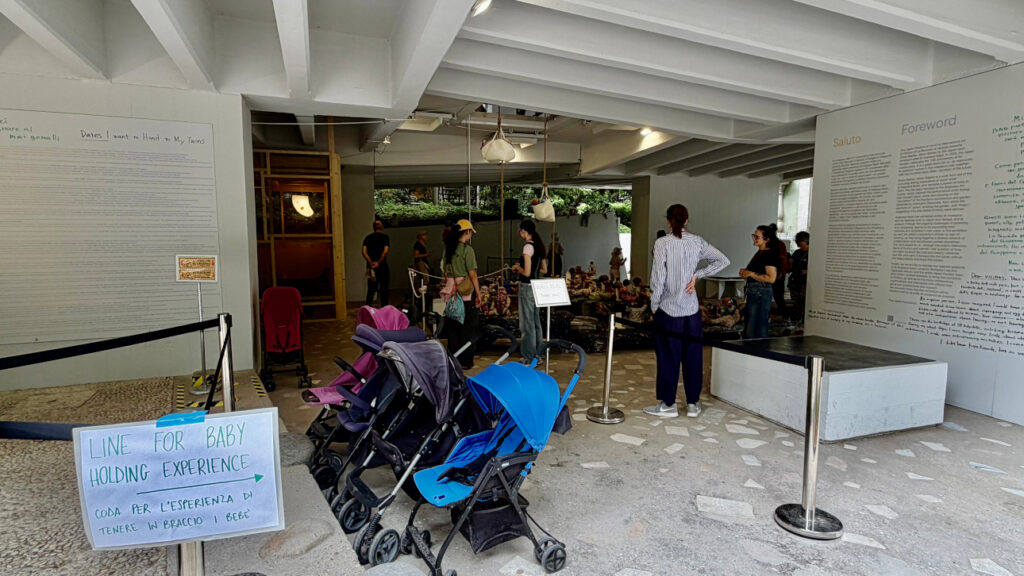
Some national pavilions present art that seems to be following the path of least resistance. The Spanish pavilion has a display of thousands of postcards meticulously attached to the walls (I feel sorry for the assistants who had to affix them to the huge walls), while the Japanese pavilion has nothing but creepy baby dolls that viewers are “allowed to hold for a few minutes” (Is it a message about the country’s demographic crisis? Is it supposed to console childless visitors?). The U.S. pavilion has some metal sculptures by artist Alma Allen—interesting shapes, textures, and good abstract sculptures—but the message posted next to them is that they “evoke visceral realities of contemporary life and reveal the fragility and resilience of the human condition.” Puh-leeze….
The most memorable Biennale offering will probably be something that is hardly art in a traditional sense—it is performance art by Florentina Holzinger at the Austrian pavilion. The Seaworld in Venice presentation includes sporadic appearances of a naked woman who hangs upside down in a large bell that she rings by swinging, while another naked woman is suspended in a mask in a tank that includes seawater plus (filtered?) urine. The message is presumably something to do with both the pollution of Venice and maybe the exploitation of women, but it seems to have been created mostly pour épater les bourgeois, that is, for the sheer shock value. There are indeed crowds standing in line to see the show, and there is amazement and shock on their faces, but how much of it is actually helping to send any humanistic messages?
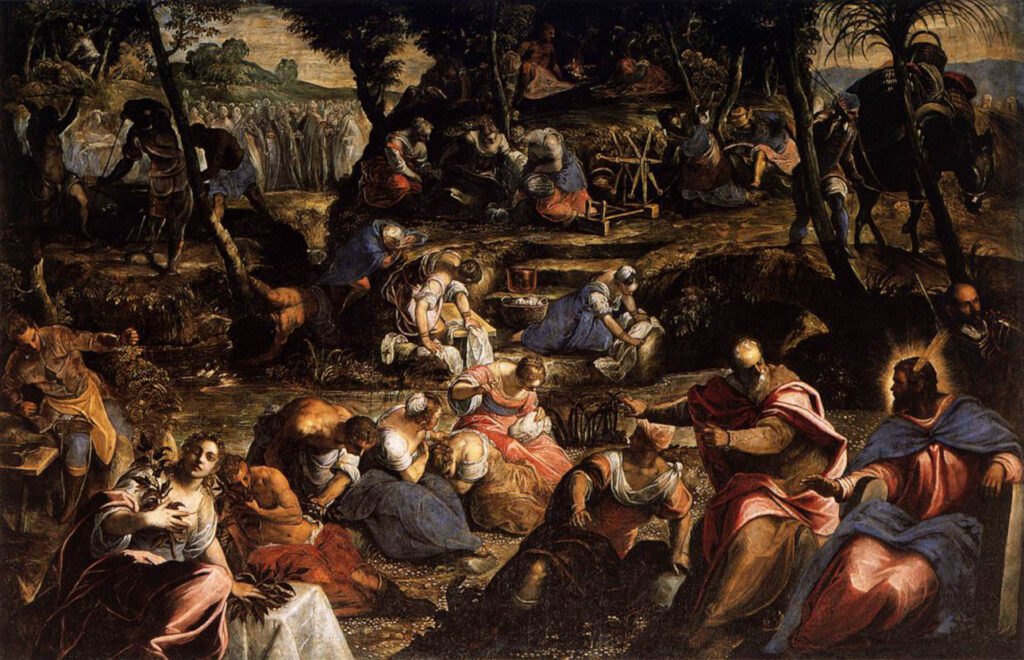
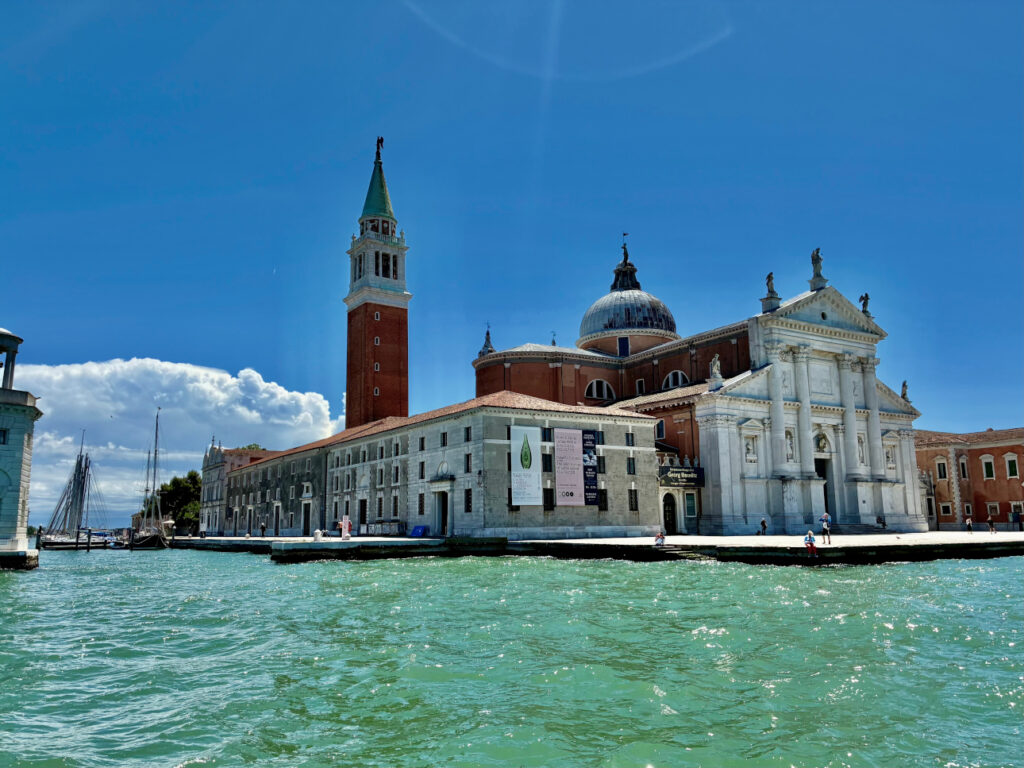
In search of contemporary art that is perhaps less shocking but closer to “art” as I see it, I went to the island of San Giorgio Maggiore, where the abbey houses two famous Tintoretto paintings: The Wedding at Cana and The Israelites in the Desert. These are Tintoretto’s masterpieces, but unfortunately the church lighting is poor and there are no machines where you can pay a few coins to switch on some proper lighting (a feature available at many famous altar paintings throughout Italy). Both canvases have been recently restored thanks to the society Saving Venice Inc. (a leading American nonprofit dedicated to saving Venice’s cultural treasures), but the bad lighting all but negates their wonderful effort.
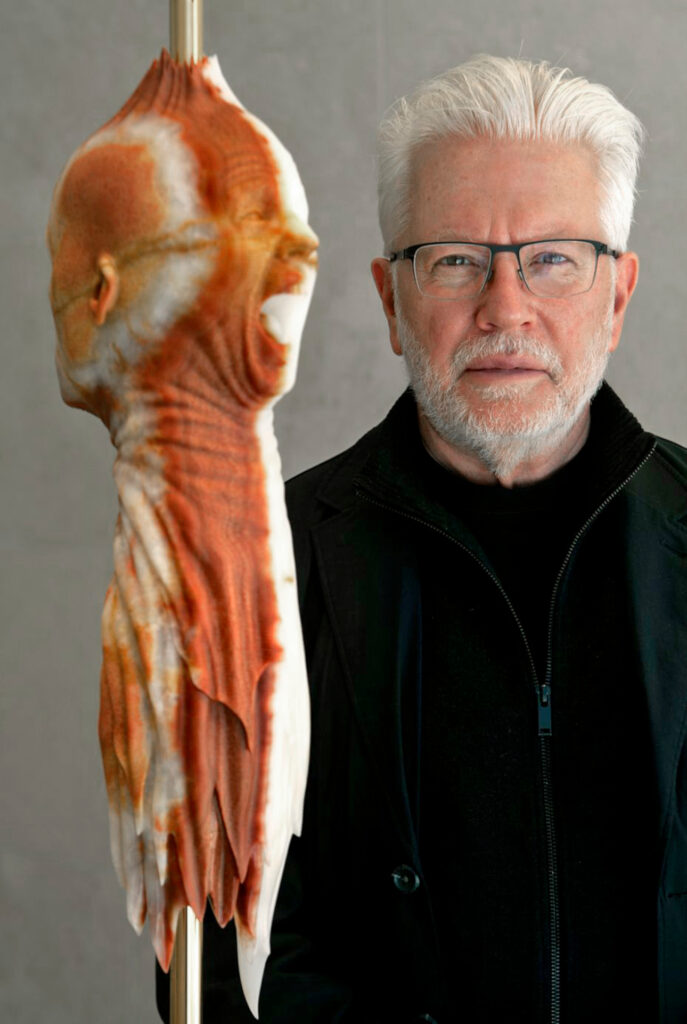
So instead, I got fascinated by a concurrent display of sculptures by American artist Barry X Ball. His works are displayed throughout the abbey, sometimes in a perfect counterpoint to the old monastery architecture. His marble heads are placed as if they were the choir of monks who used to stand there singing.
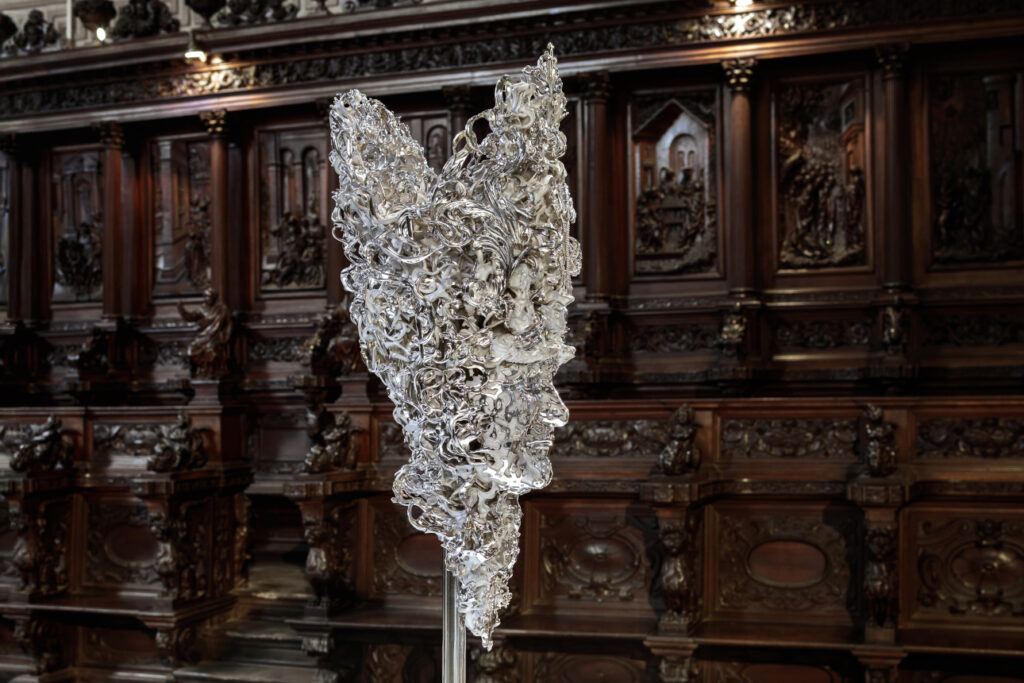
There is also a silver and gold sculpture of Pope John Paul II, the Polish pope Karol Wojtyła who was famous for his opposition to communism (there is a small head of Stalin hidden in the back of the sculpture to remind viewers of this fact). The sculpture is an intricate web of silver threads, as if only the nerves or cellular connections were exposed or if a current of spiritual energy or the invisible thoughts of this exceptional pope were rendered in silver strands.
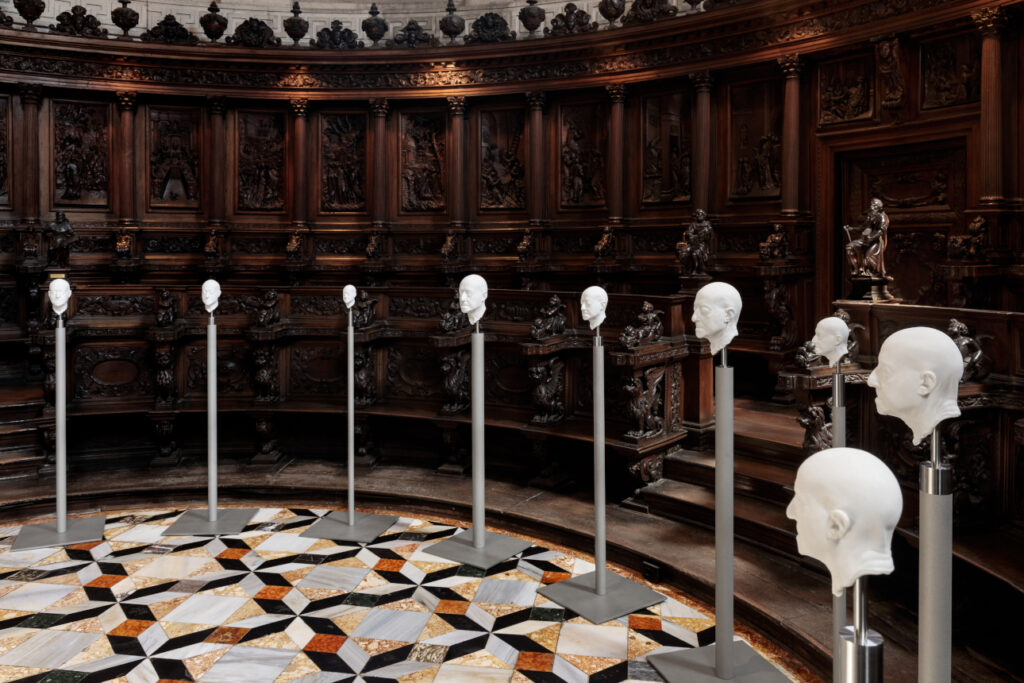
To create his sculptures, Ball uses numerous technological marvels such as 3D scanning, computer-guided carving, and state-of-the art laser cutting and milling. Contemporary art creation has, in a sense, reverted to the Renaissance custom of an artist supervising a team of assistants who execute the master’s vision. Modern artworks often require manufacturing and specialized use of machines. Artists such as Anselm Kiefer, Cai Guo Qiang, or Takashi Murakami use large teams of assistants to assemble or create numerous elements of the final works.
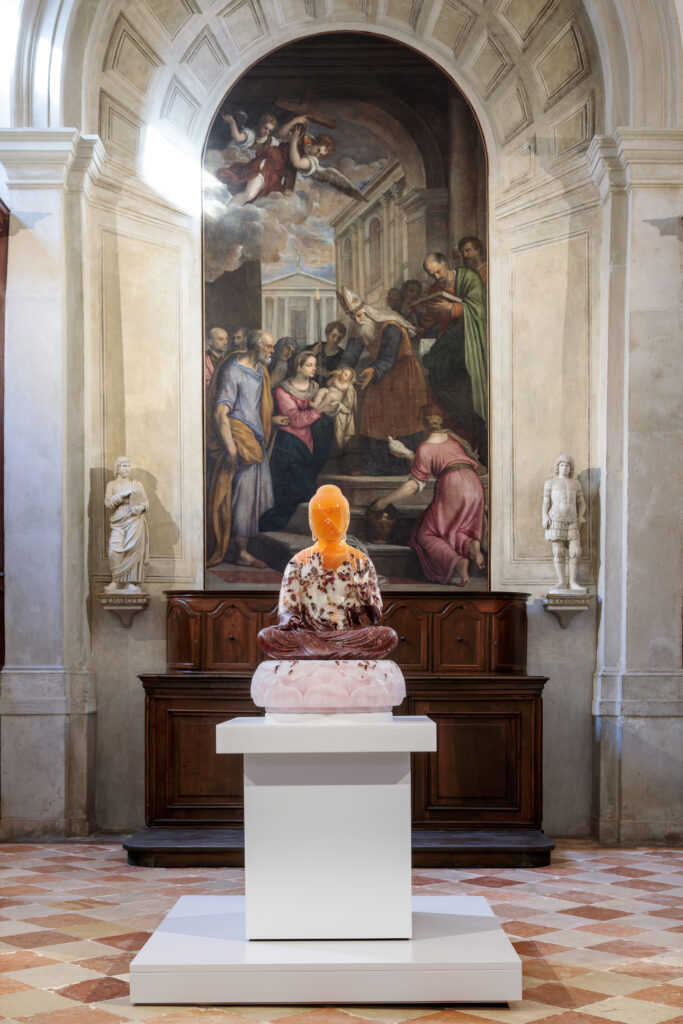
In the case of Ball, his Buddha sculpture is a perfect example. It is inspired by the 15th-century Japanese wood and gilt wood figure of Amitabha Buddha, but it is rendered in different materials. After the sculptor selected the stones to go into this sculpture (several colors of onyx and pink marble), the process was taken over by digital scanning, precision machines, and skilled craftsmen in order to execute Ball’s vision of a statue that combines different stones, carved surfaces, and drilled cavities. Ball’s other creations have often been inspired by Italian classical sculptures, metamorphosed into new creations in semi-precious stones (lapis, onyx, golden calcite), as if giving old art a new look, ennobled by the use of beautiful materials. After the searching nature of the Biennale offerings, it is quite refreshing to find mature works of an established sculptor who has a clear vision and a mastery of material.
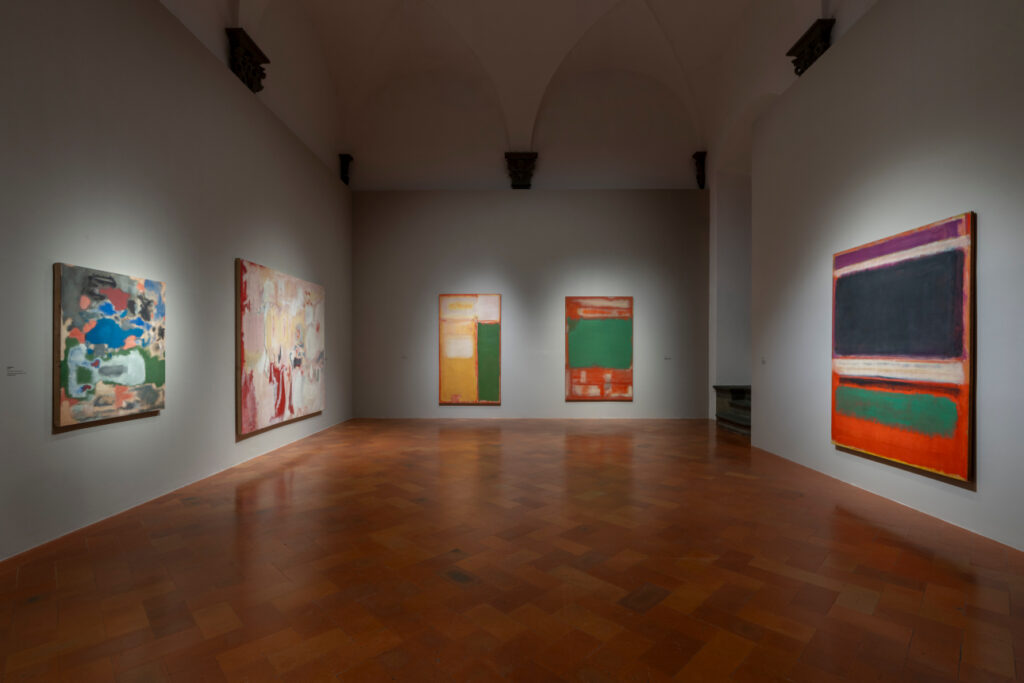
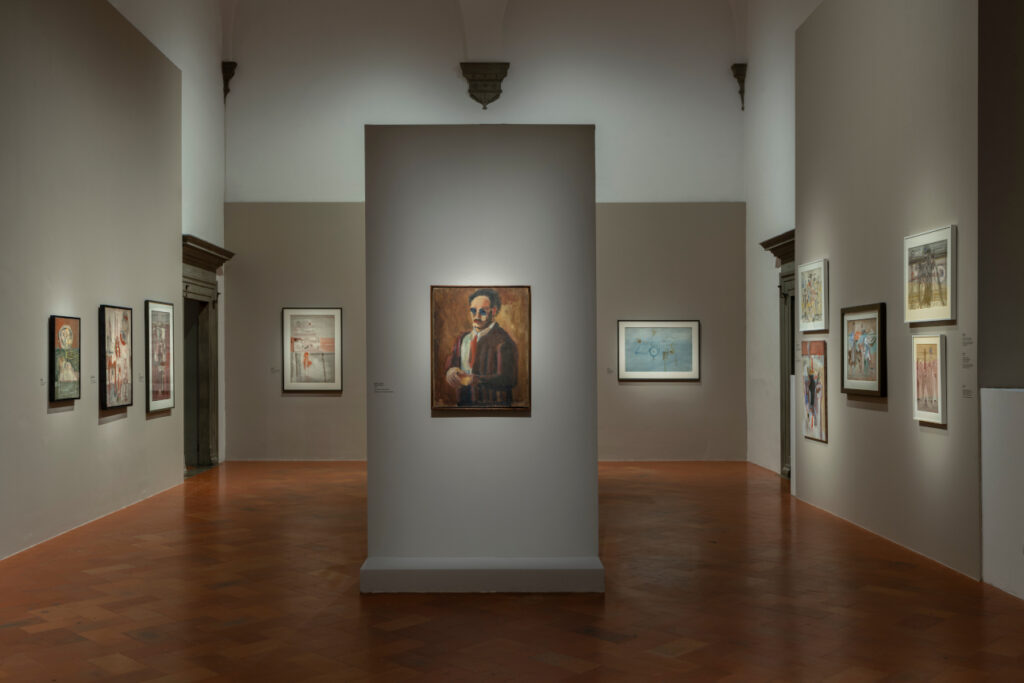
Meanwhile in Florence, there is an ongoing and widely advertised retrospective of Mark Rothko—the famed American abstractionist whose visit to Tuscany in the 1950s inspired the palette of his many canvases. He was particularly influenced by Fra Angelico’s frescoes at the Florentine convent of San Marco, as well as by Michelangelo’s work at the Laurentian Medici Library. The exhibition, Rothko in Florence, celebrates the long-standing relationship that the artist had with Florentine art. Rothko’s canvases are displayed at the Palazzo Strozzi—a thriving venue of modern art exhibitions—as well as at the San Marco convent itself.
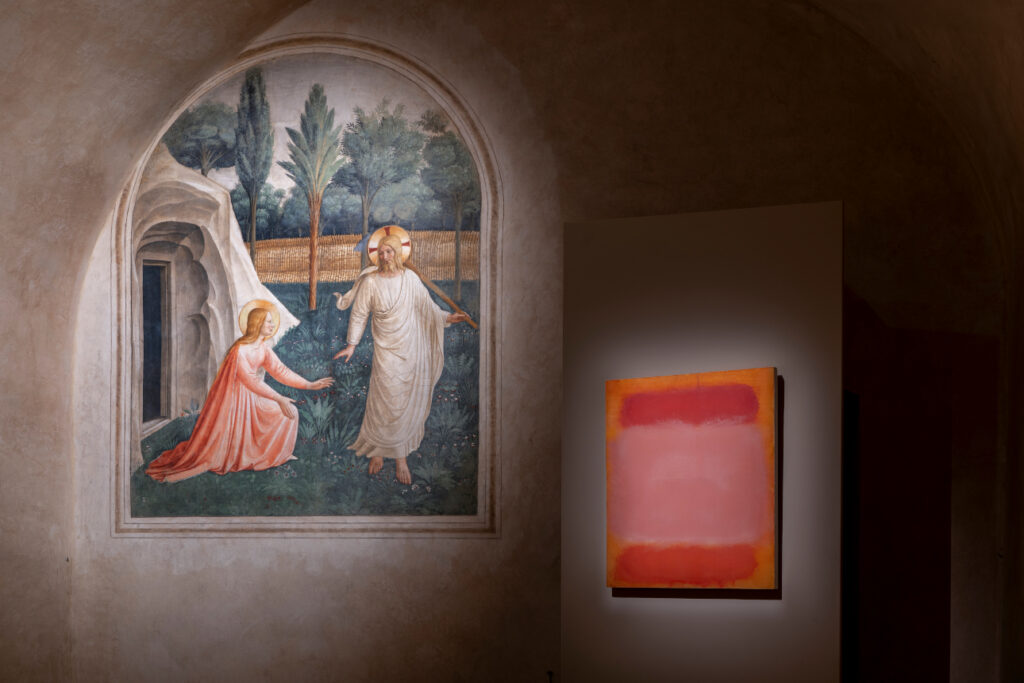
It is a biographical overview from the artist’s early, figurative art through his transitional composition of color patches to his trademark bands of color. Had Rothko stayed with figurative art, he most likely would also have made his name with haunting, emotional portraits, but it was his switch to purely abstract bands of color that made him singularly renowned. These deceptively simple swaths of red or purple, which sometimes complement each other and sometimes are of juxtaposed hues, are full of emotion and vibrancy that you can really feel while standing in front of them. Printed reproductions offer little, in the case of Rothko’s art.
Between the avant garde and showmanship of the Biennale, the sidebar exhibitions by established artists, the vast trove of classic art in churches, museums, and palaces, and the architectural gems at every corner, both Venice and Florence provide one big feast for the eyes.