Destinations: Warsaw
By Nina Heyn
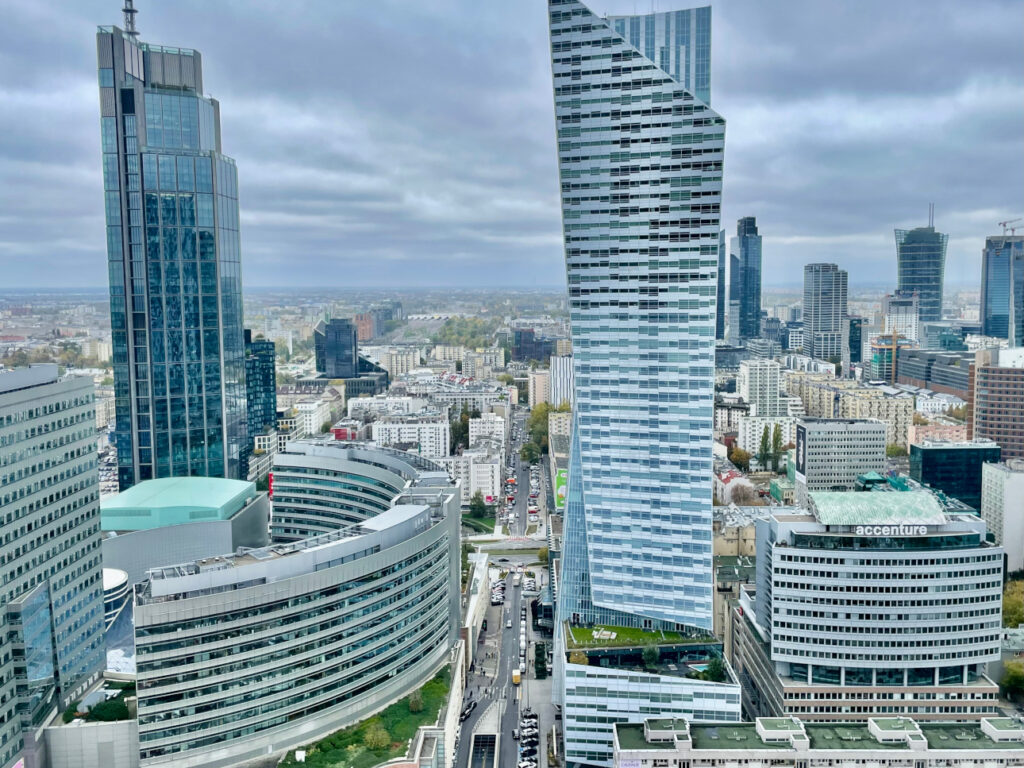
For world travelers Warsaw is becoming one of the hottest tourist destinations with over 20 million tourists a year. Many visitors come for extremely good food, both in grocery stores and at a plethora of gastropubs, food courts, breakfast markets, street food areas, and restaurants of all levels that specialize in anything from hearty Polish food (and no, a typical Polish dish is not pierogi but most likely some tasty piece of meat with fresh vegetables) to sushi, Chinese, or Italian cuisine prepared by master chefs from those countries. There are over 8,000 restaurants registered in the city—from large, famous, and expensive Michelin-starred establishments to small places that specialize in interesting combinations of flavors and often serve very small local communities.
Other visitors come to enjoy the extremely high Solari Popsicle Index (i.e., the degree of safety to roam the city undisturbed, even for small kids). Warsaw is safer than any other city I know, except some places in Asia. There is hardly any street crime, it is safe to walk at night, and—like most European cities—walking around is what makes it so attractive in the first place.
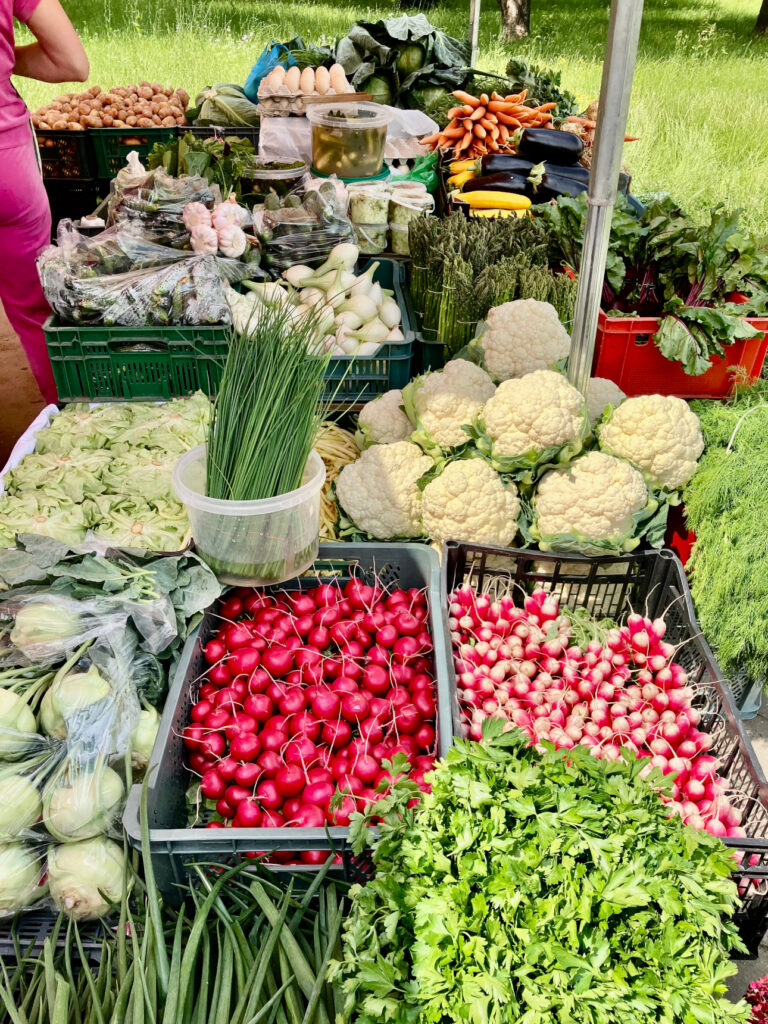
I do not usually write about food, but it is hard to miss the abundance of good food both inside grocery stores and at street markets in all cities in Poland and particularly in Warsaw. There are entire food halls, redesigned from historical factories or markets, that are devoted to memorable restaurant and food shop experiences, offering a variety of cuisines and price levels. In the summer, corner street markets offer a mouth-watering choice of in-season fruits and vegetables, quite often organic and brought over from nearby farms.
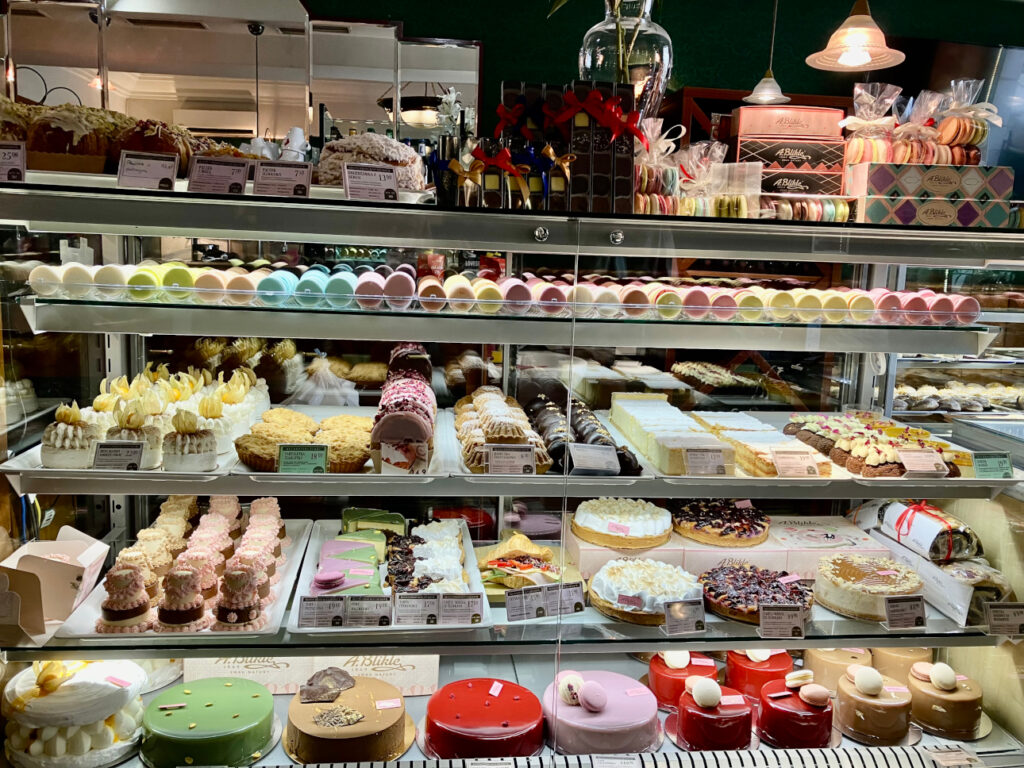
And then there are the cakes and pastries, ice creams, and gourmet coffees and smoothies. If you are a gourmet with a sweet tooth, there are a lot of sugary temptations.
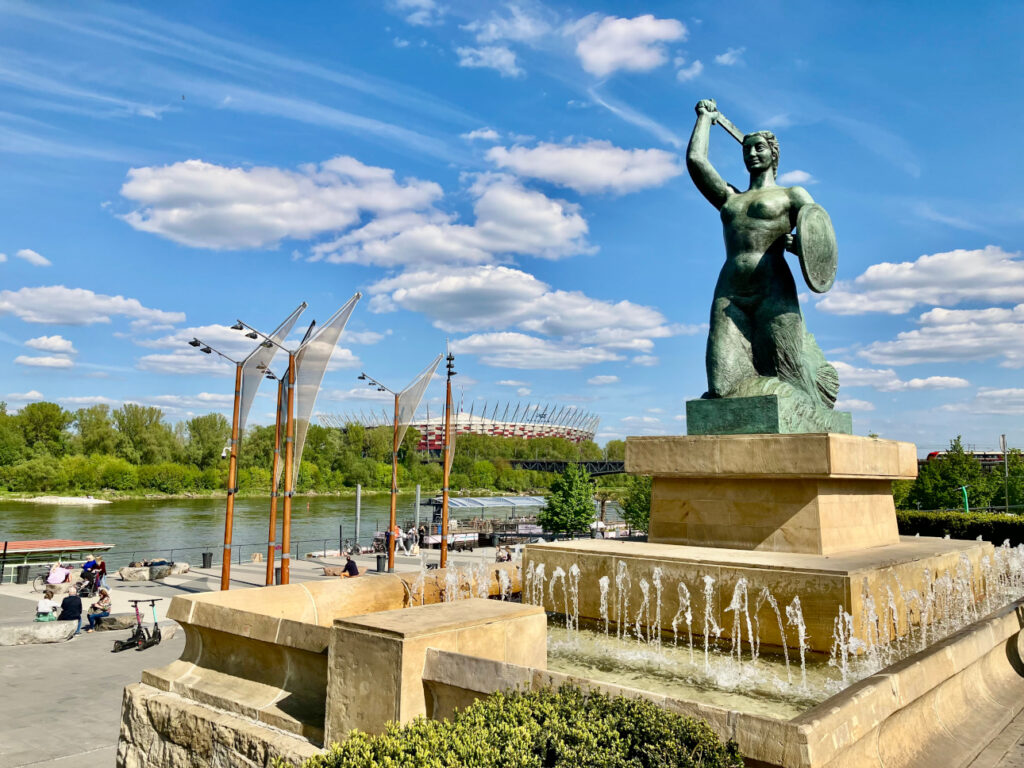
However, for me the place only fully becomes a destination thanks to great cultural experiences, so here is a sampler of Warsaw’s art choices. The city’s dozens of museums range from classic galleries at historical palaces to modern art centers and interactive historical centers. Below are just a few examples of what you could find this season in the Polish capital.
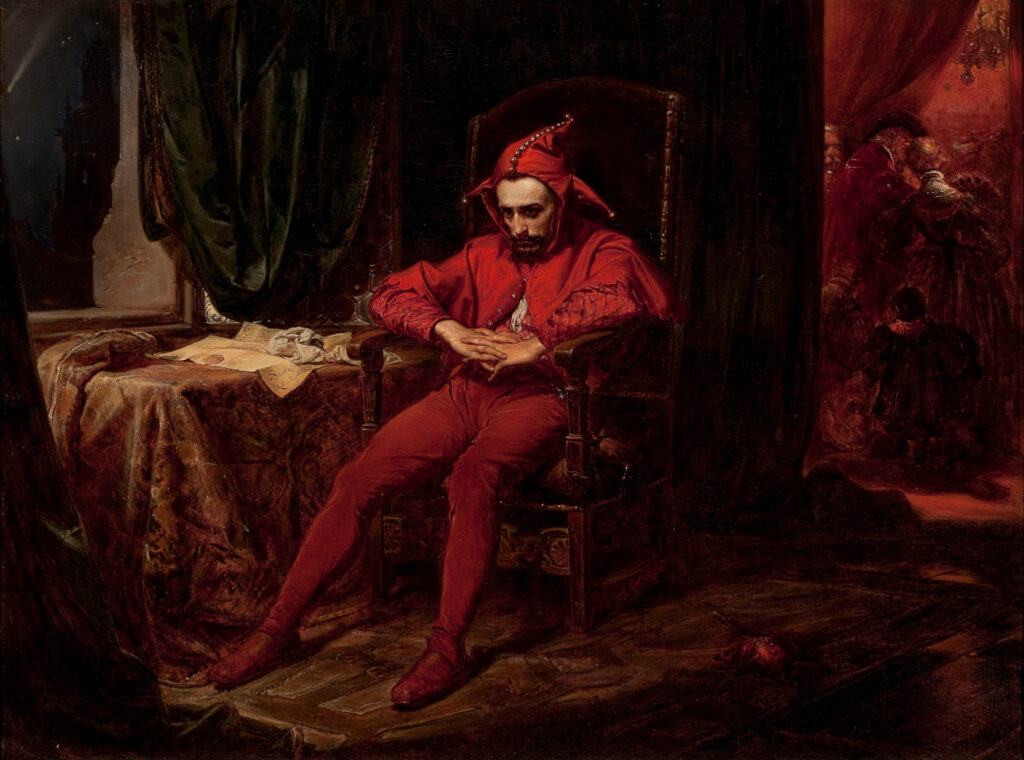
The National Museum has locations in several big cities, the central one being the historic Art Deco building in the capital’s center. The Warsaw branch recently held an exhibition reuniting the dispersed collection of art patron Ignacy Korwin-Milewski (1846-1926). At the turn of the 19th and 20th centuries, he collected some of the most iconic paintings depicting Poland’s history and society. The example above—The Court Jester painted by the preeminent historical artist Jan Matejko—portrays a jester in the time of the Renaissance kings, not as a happy-go-lucky entertainer but as a mature thinker, someone who is privately brooding about matters of state. It was a symbol of the Polish fight for independence and, to this day, is one of the country’s most famous artworks.
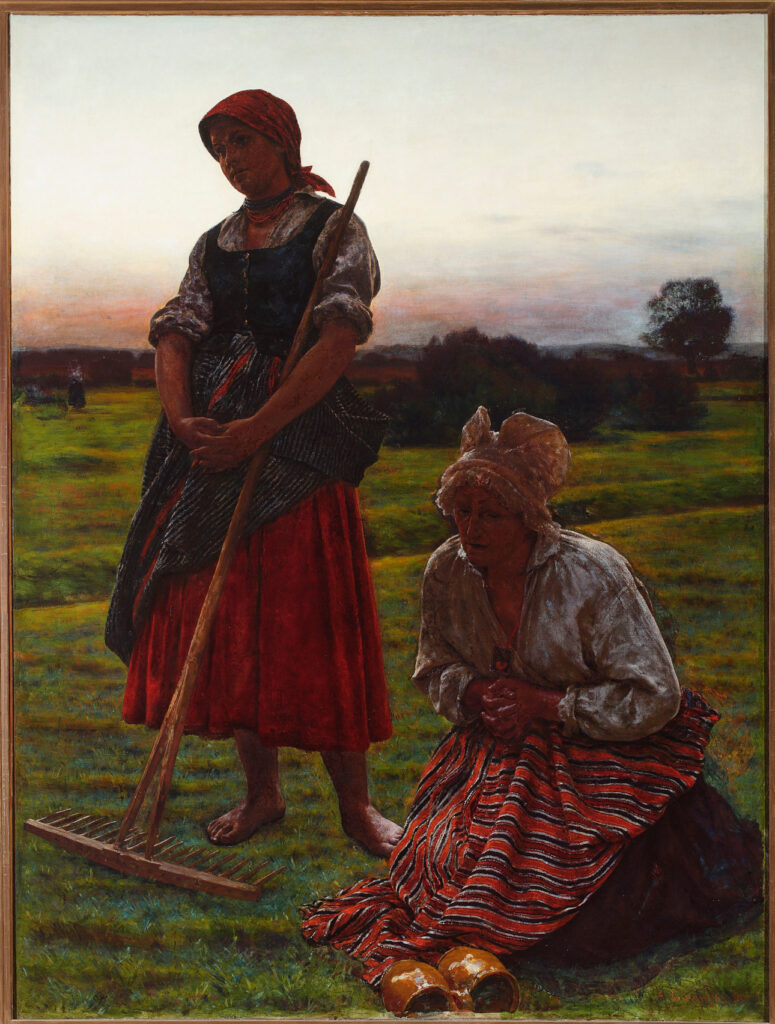
Wartime blew Korwin-Milewski’s collection apart, and only now, over 100 years later, has this dedicated but forgotten pioneer of art-collecting been remembered in a loan exhibition of 73 masterpieces that survived from the original collection.
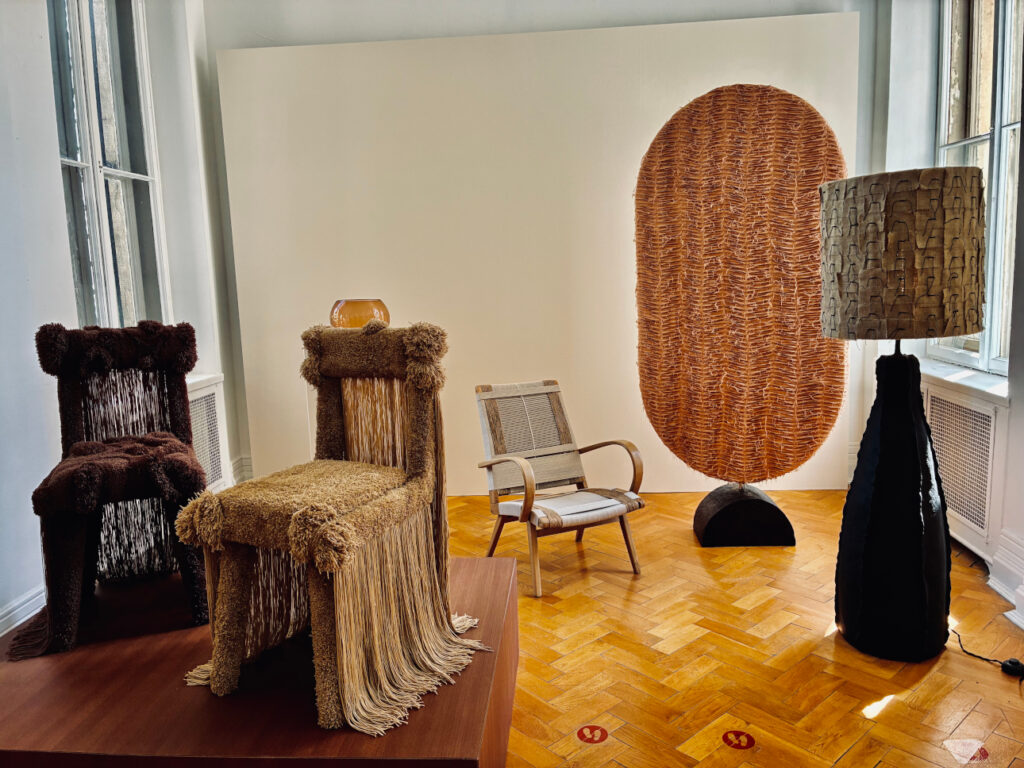
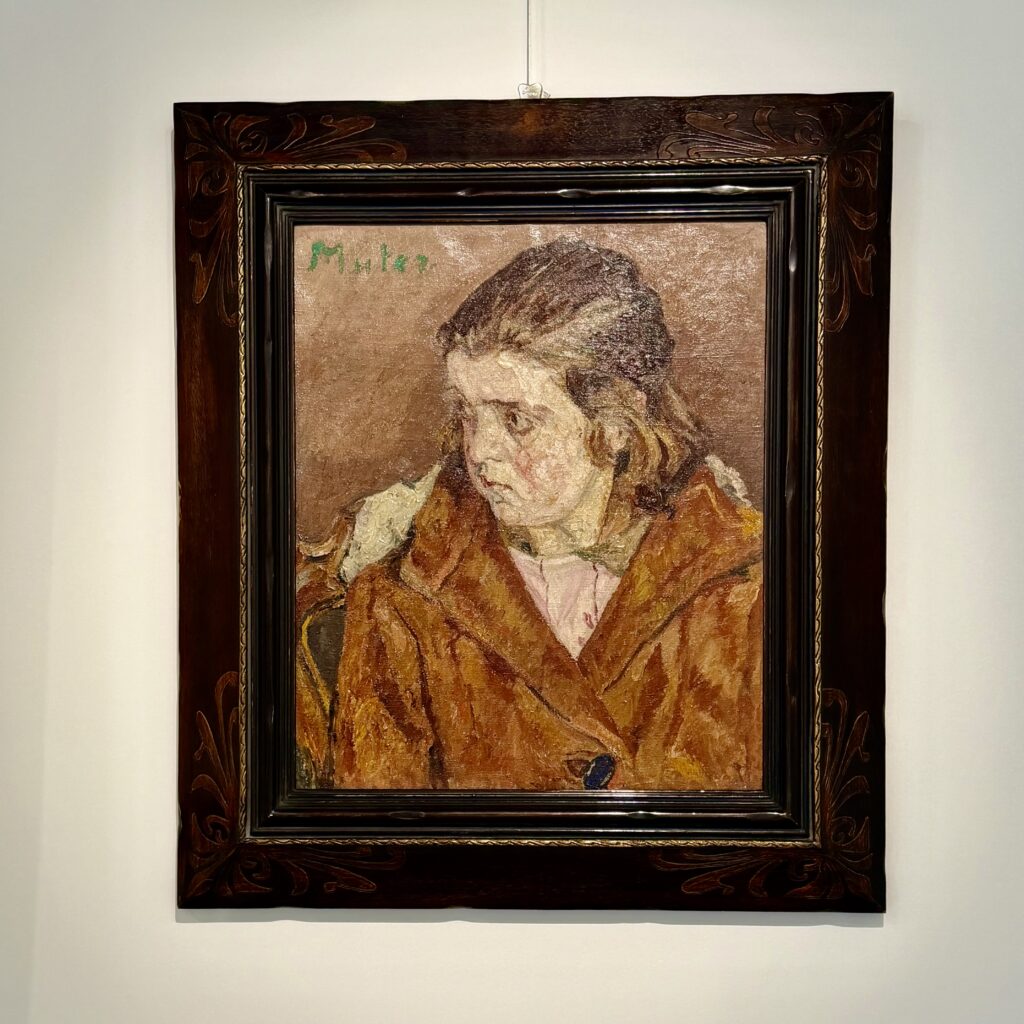
If you are into smaller gallery shows, in Warsaw every week there are dozens of local exhibitions devoted to some aspect of art. For example, in one week, there was an exhibition called Weavings—an intriguing exhibition of mid-century rope and fabric creations—as well as a ceramics show and a display of rare paintings by famous female artist Mela Mutter (1876-1967), who belonged to the pre-WWII movement called École de Paris.
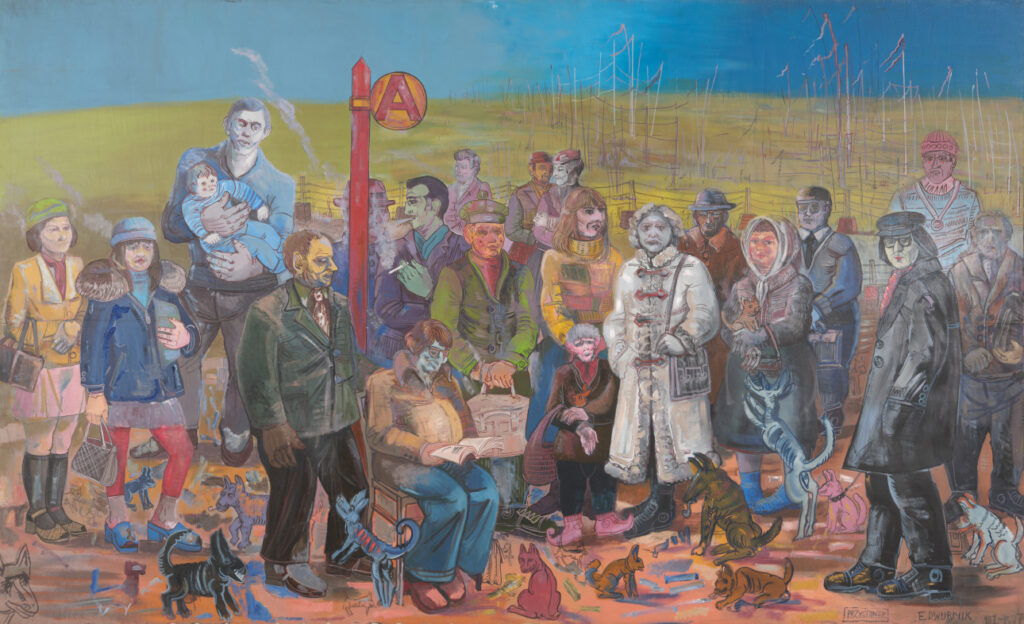
The newly created Museum of Modern Art keeps opening different shows every few weeks. Recently, you could see a comprehensive show of Julie Mehretu as well as a retrospective devoted to modern Polish painter Edward Dwurnik (1943-2018). Dwurnik was famous in Warsaw for his ironic portraits of city life and urban landscapes, as well as his deceptively “naïve realism” paintings of heroic workers and brave soldiers—all this in barely veiled opposition to the falsely optimistic narrative of the socialist paradise of the 1970s.
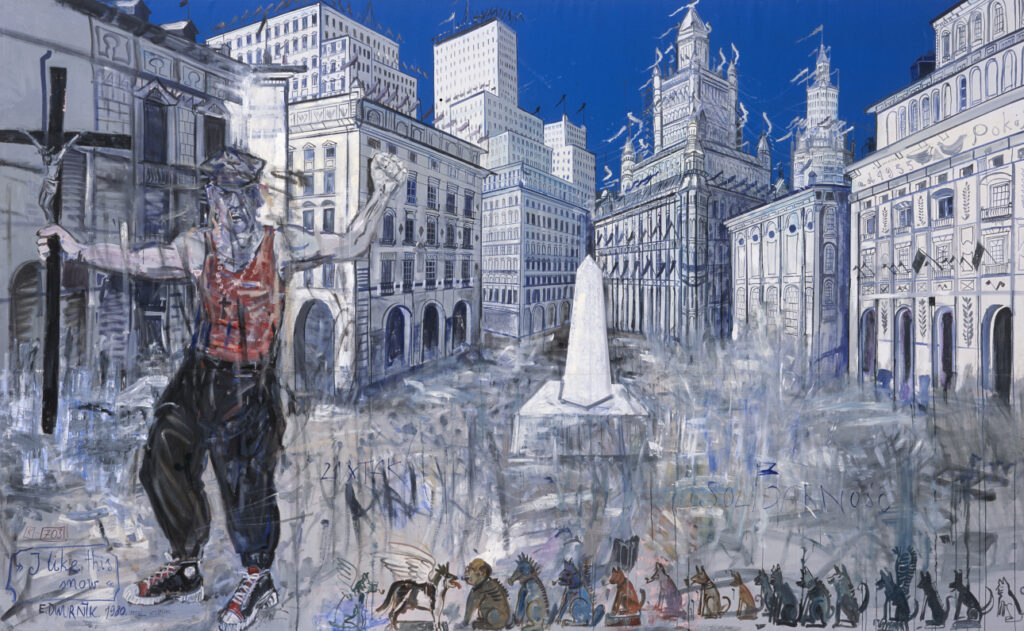
Dwurnik was considered an enfant terrible of Polish art of the 1970s and 1980s. His “ugly” portraits of the working class, these ironic and scandalizing images of the poverty and humiliation of socialist life, and his criticism of war and Soviet occupation—all this sat badly with the authorities. However, while he may have been shunned officially, his prolific output of thousands of large canvases made him an artist popular with the Warsaw intelligentsia and international art critics. Today, his retrospective show tells new generations how brutal and grotesque life was during the communist grip on Polish society in the 20th century.
Finally, if you are seeking international art, the museum also has a well-curated exhibition titled Surrealism and Antifascism: In the Bowels of Change, featuring artworks by Picasso, Yves Tanguy, Wifredo Lam, Leonora Carrington, Hans Arp, Lee Miller, Max Ernst, and other 1930s icons. Warsaw’s Museum of Modern Art fulfills in this city a similar role as the Tate Modern in London: placed in the very heart of the city, it offers lots of good, contemporary art to check out every week, for inhabitants and visitors alike.
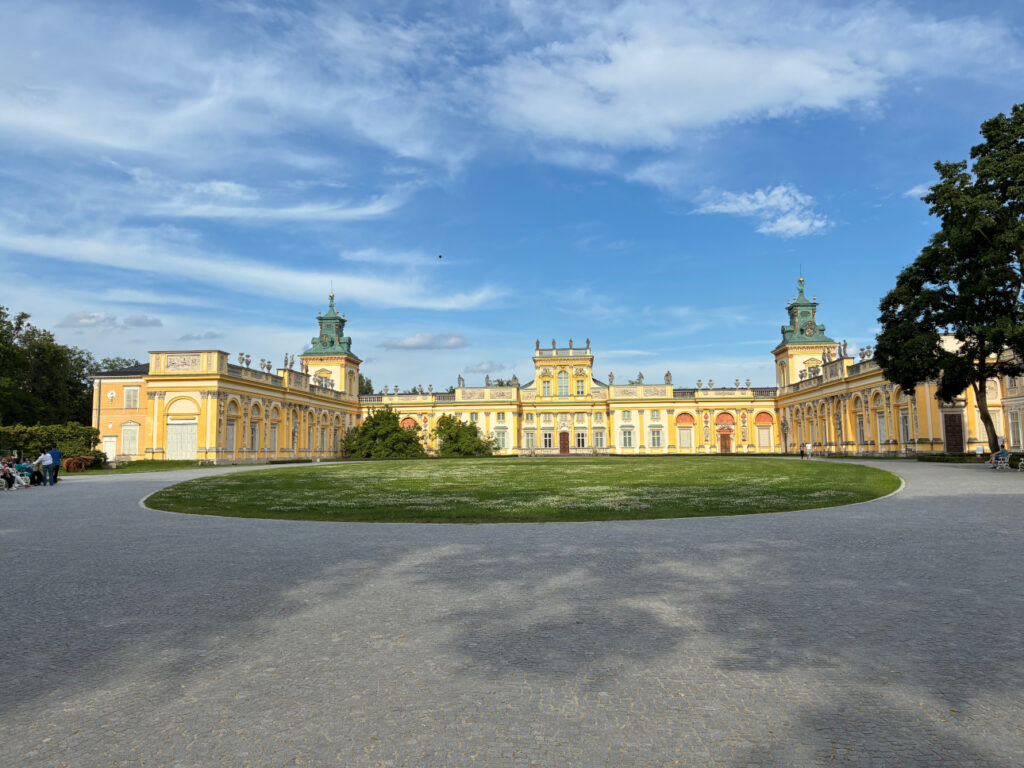
Fans of history can explore the Royal Palace and Park of Wilanów—the residence of the famous King Jan III Sobieski, who won the decisive Battle of Vienna in 1683. The palace is a depository of Baroque art, and there is a large historic park, but in addition, one of the buildings nearby houses the recently reopened Poster Museum with 36,000 works in its collection. The current installation features examples from the famous Polish school of posters—a 20th-century art style that drew from abstract paintings and movements such as Cubism or Brutalism to create memorable icons of graphic art.
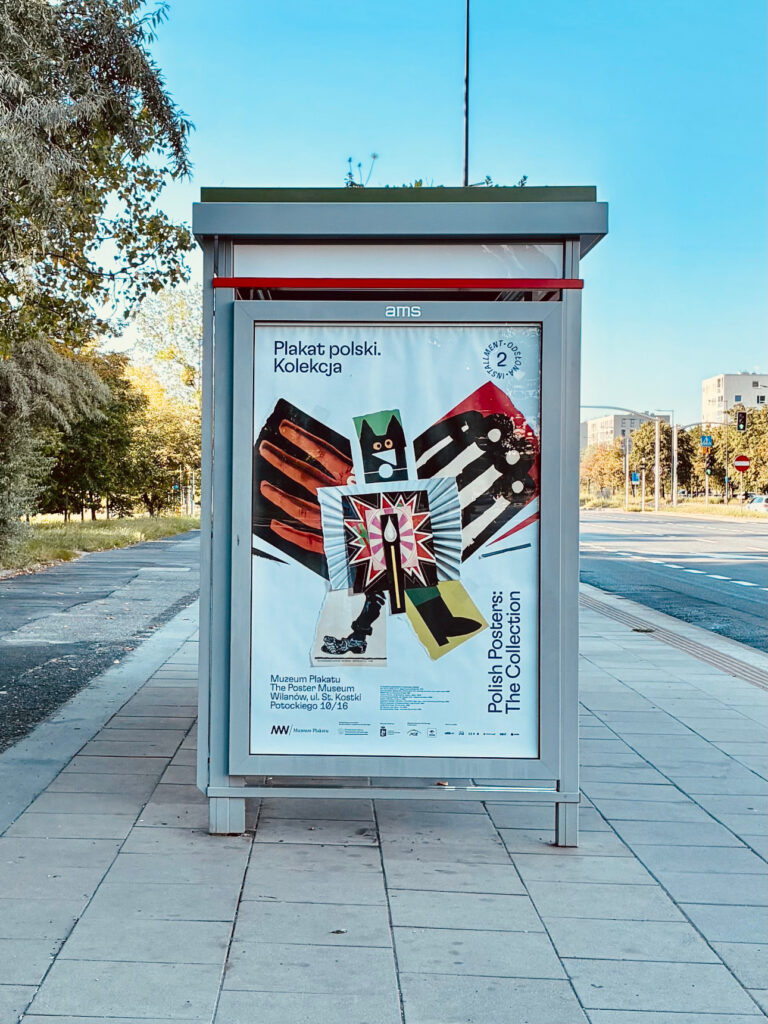
From Wilanów, a series of tree-lined streets leads across the south-north axis all the way to the Old Town. This way is called the Royal Tract because it is a road lined with palaces and historical parks that have been restored or rebuilt. One of the palaces is Łazienki Palace (Royal Baths), an 18th-century summer residence of the last king of Poland.
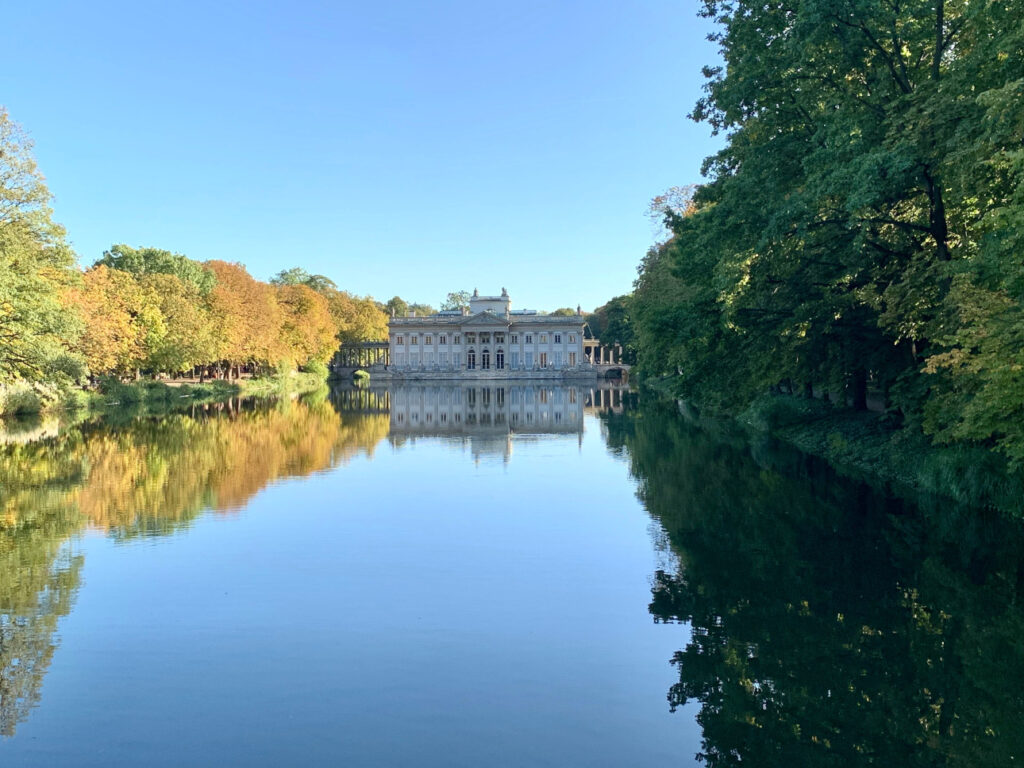
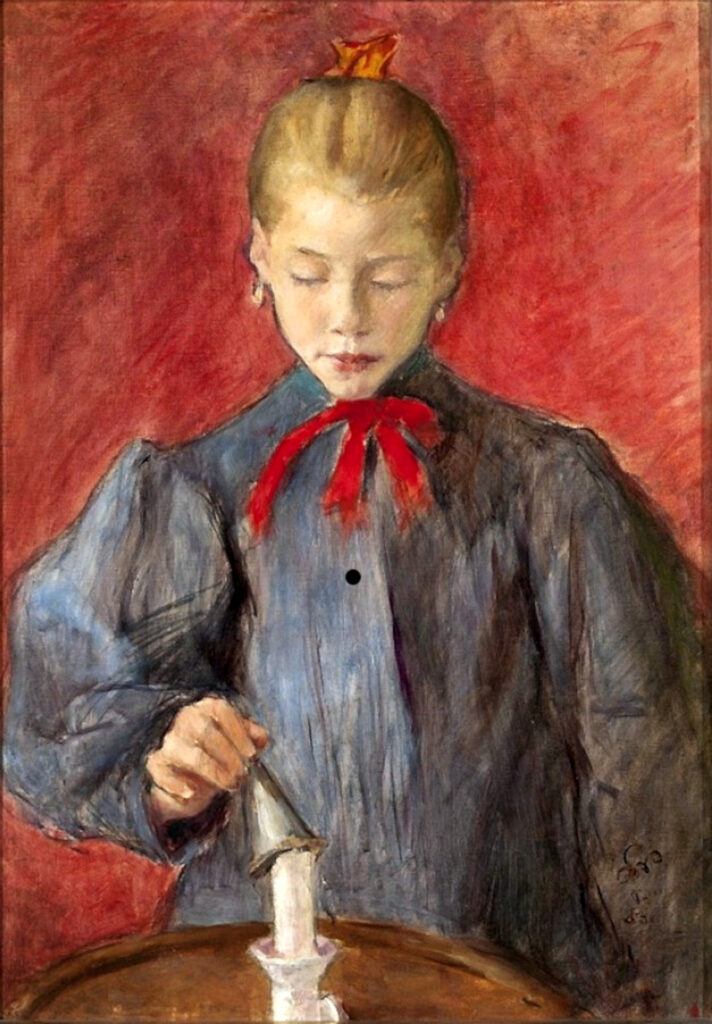
Łazienki Summer Palace is a picturesque mansion on a park island, and it houses 18th-century art reflecting the palace’s role as the last royal residence before both the king and the country lost independence. A nearby cadet school is now an exhibition hall for temporary art shows. At the moment, there is a great exhibition of the Nabis (a short-lived but seminal art movement in Paris between 1888-1900). On display are over 100 paintings by Édouard Vuillard, Maurice Denis, Paul Sérusier, Pierre Bonnard and Félix Vallotton, alongside Polish “Nabists” like Władyslaw Ślewiński, Edward Okuń, and Eugeniusz Żak.
If someone prefers modern history, the Museum of the Warsaw Uprising commemorates the event in an interactive experience of life in the wartime city that rose against the Nazi occupiers in 1944 in a bloody insurrection. Each year on August 1, the anniversary of this Uprising is immortalized when the entire city stops for one minute (literally—all traffic and all people in the streets stop, and red torches are lit).
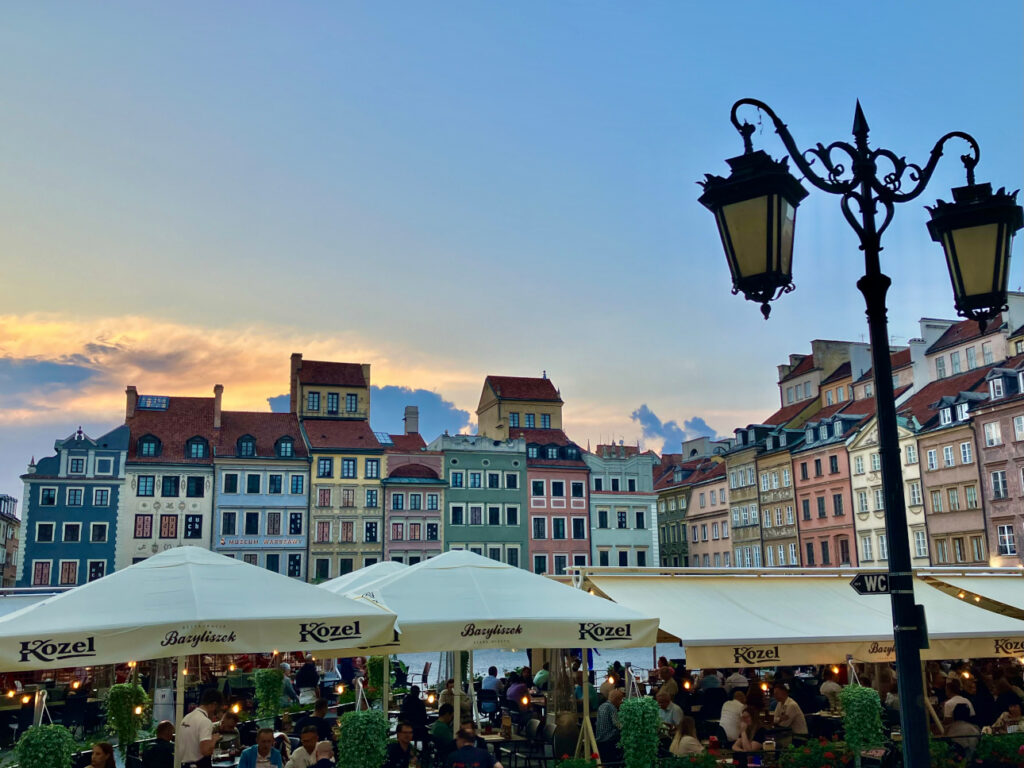
Warsaw is a city that combines a lot of classic European heritage (royal palaces and fine art) with the very modern vibe of a foodie destination and an entertaining urban environment for young people. It is green, safe, and entirely accessible via public transportation. It is also much cooler in the summer than the stone jungles of Paris or Rome. In short, it is a great destination for a weekend of food—both for the stomach and the soul.