
Food for the Soul: Lucas Museum of Narrative Art Has Opened
By Nina Heyn
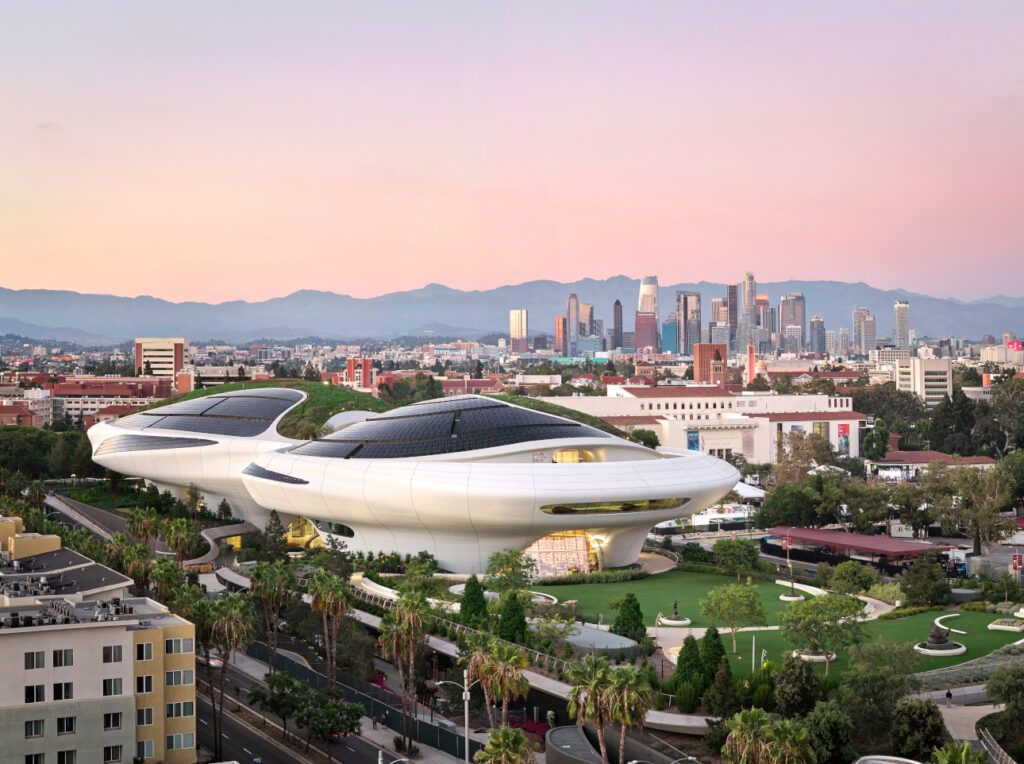
Named the Lucas Museum of Narrative Art, this new art destination in Los Angeles opened its doors to the public on September 22, 2026. Its long birth process started in the late 1990s when George Lucas’s original concept placed the museum’s location in San Francisco and later in Chicago. Neither location panned out. In 2018, construction started in southeastern LA, close to the existing city landmarks of the Coliseum stadium and the Natural History Museum.
The meeting with George Lucas’s creative mind starts long before you arrive at the gates of his new museum. You are confronted with a building that is huge, ovoid, and white—something that is reminiscent of a joystick or a modern appliance but most closely resembles a spaceship. The last impression is the most appropriate, despite the statement of the museum’s architect, Ma Yansong, who was quoted that the form of his remarkable white Möbius strip simply “comes from an interest in something fluid and unfamiliar.” But to anyone who has ever seen a sci-fi movie—to a great extent thanks to George Lucas himself—these sinuous forms are most suggestive of a flying spaceship.
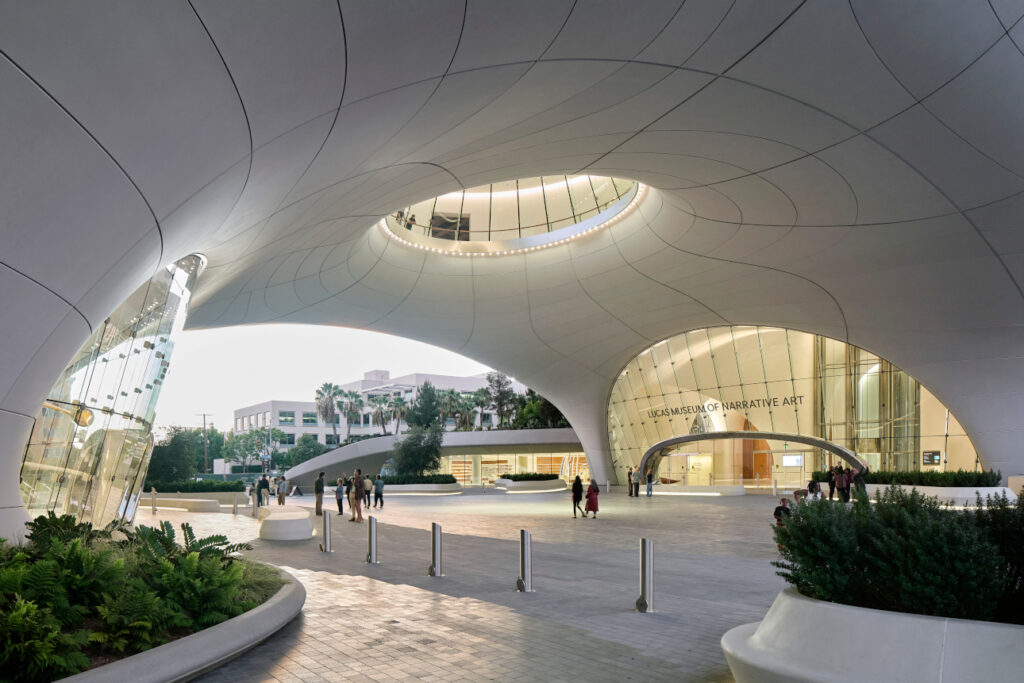
Once you go inside, you are still in George Lucas’s world, feeling that you are somewhere in a galaxy far, far away. The white, sinuous, gleaming walls of the exterior continue inside, creating futuristic white hallways that feel very familiar, evoking scenes with Luke Skywalker crossing walkways with his droids in tow. The elevators, which are well-lit glass cages moving soundlessly up and down, also look familiar, and so do the corridors and walls of everything from the bathrooms to the cafeteria. It is Lucas’s greatest cultural achievement that people all over the planet will instantly experience this architecture as something understandable and known, even though its source is his cinematic fantasy vision rather than any real-life architecture.
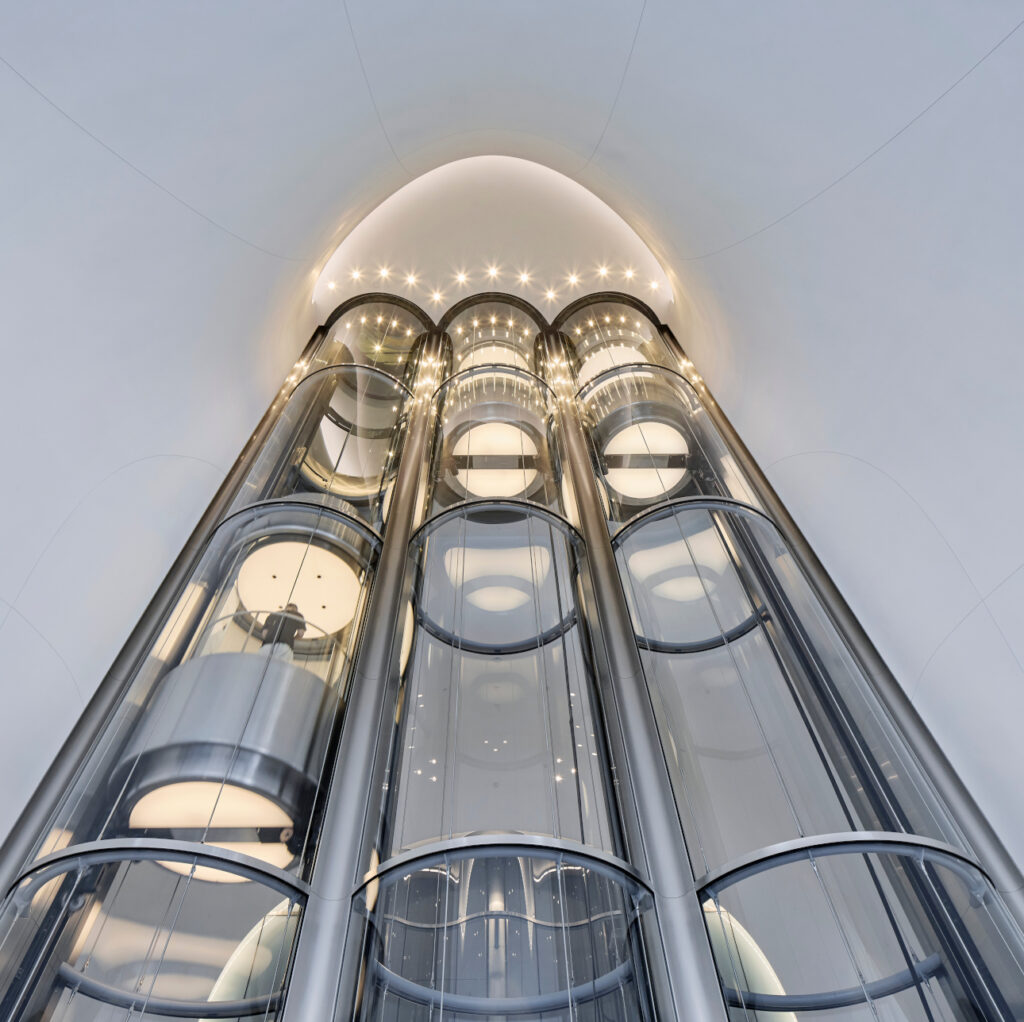
Very few movies (if any) in the vast history of cinematic art have brought us a fictional world that is now part of human consciousness, whether we are sci-fi fans or not. The design of the Lucas Museum feels so comfortingly familiar because we are transported to the visual landscape of Star Wars that has been part of the collective consciousness since 1977’s Star Wars- Episode IV, which launched the saga that has been ongoing on screens ever since.
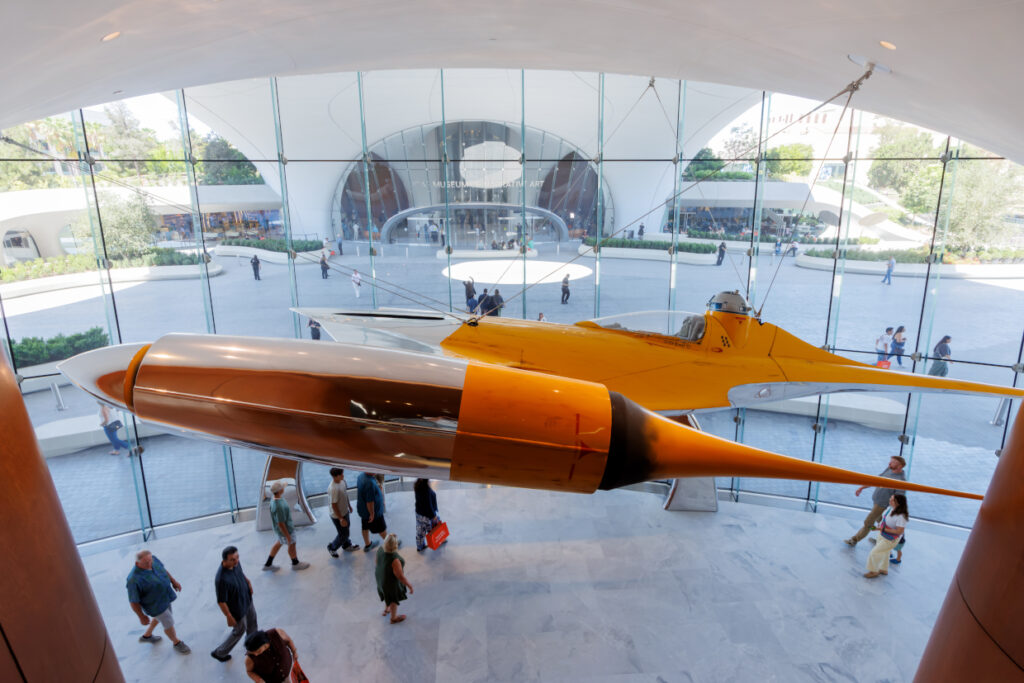
Although the museum itself is not a place dedicated to Star Wars, Lucas placed some movie artifacts in the collection, as this is clearly something visitors would expect. Right over one of the entrances, there is even a prop of a “starfighter” plane from the first Star Wars movie.
However, no museum, no matter how architecturally daring and modern, would mean anything without an equally important collection. People do not go to museums to look at walls—they come to look at things ON the walls. The Lucas Museum of Narrative Art has both a vision to offer and a collection to match.
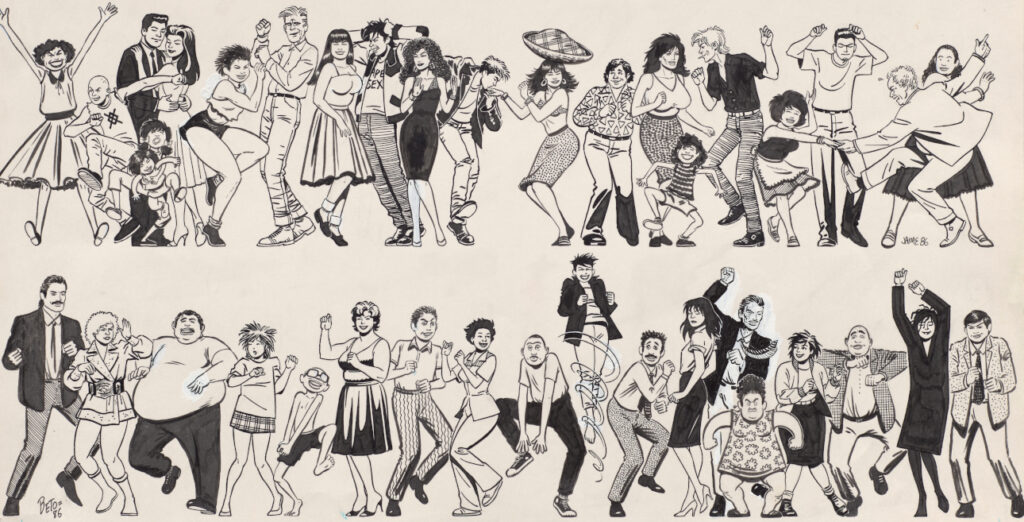
The collection of thousands of artworks is arranged in sections. One of them, “Life in Common,” encompasses such themes as “Childhood” and “Civic Life.” Another section, called “Imagined Worlds,” includes categories of “The American West,” “Romance and Adventure,” “Science Fiction and Fantasy,” and “Graphic Stories.” These groupings help to locate artworks in the myriad of gleaming white corridors and, more importantly, make gratifying connections between disparate artworks—such as between comic strips and French Impressionists or propaganda posters and adventure novels.
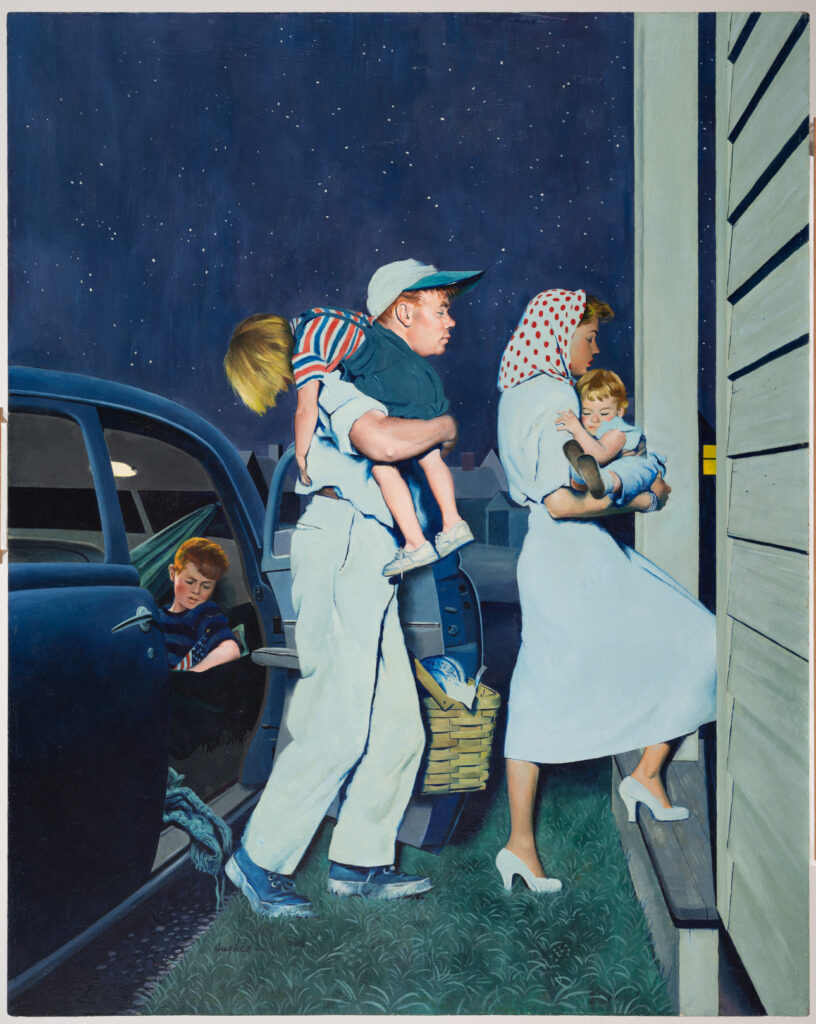
Lucas’s passion for the unsung heroes of narrative art—such as book and poster illustrators, set designers, storyboard and visualization artists, maquette and prop creators, and costumers—has blossomed into his trove of 40,000 images, many of which have found their way into this unique museum. “I’ve spent more than fifty years collecting the work of artists who don’t always get their due—illustrators, cartoonists, muralists, painters—because I believe their images are as vital as any other art form. They deserve to be in a museum,” says Lucas.
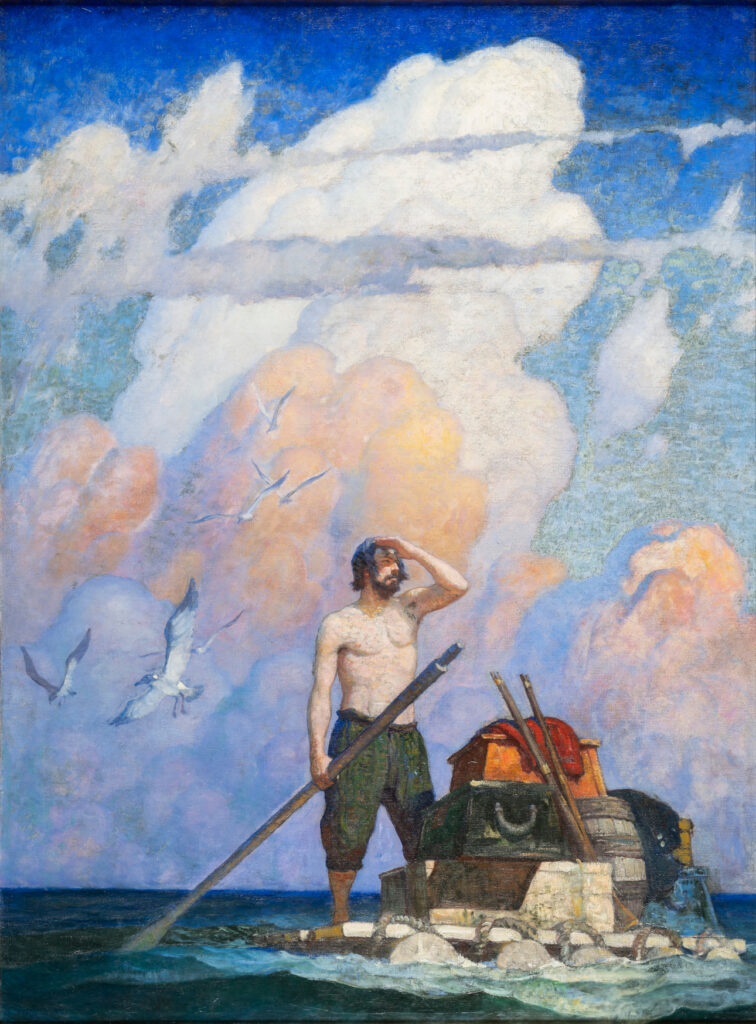
Some of the book illustrators, like N.C. Wyeth, Maxfield Parrish, and Norman Rockwell, were more than just giants of the genre of mere commercial illustration. Their art transcended the category of “commercial design,” entering the canon of American art history.
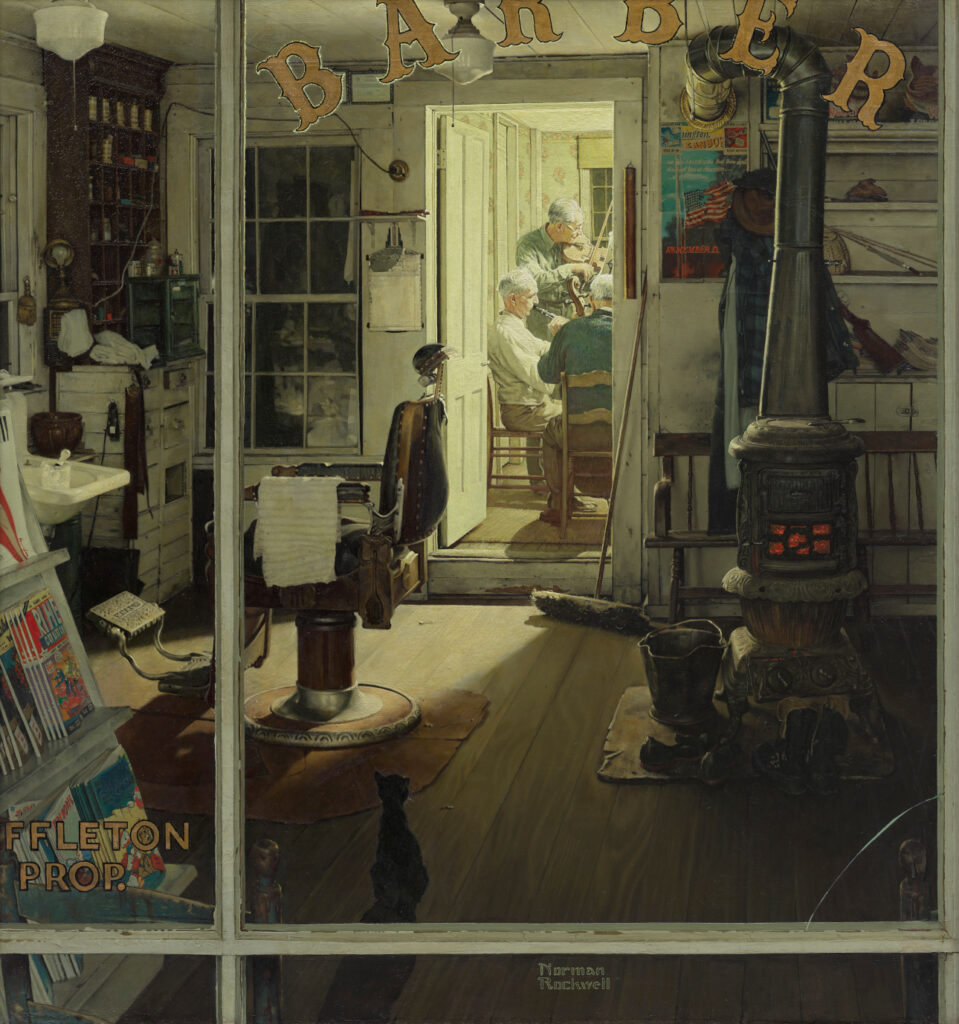
The museum has whole sections devoted to works by these artists—often in the form of large oil paintings—though the original paintings eventually would have ended up as iconic book or magazine illustrations. Some images might be familiar from 20th-century editions of classic books, often of children’s literature, but it is a treat to see the large paintings that were the original source.
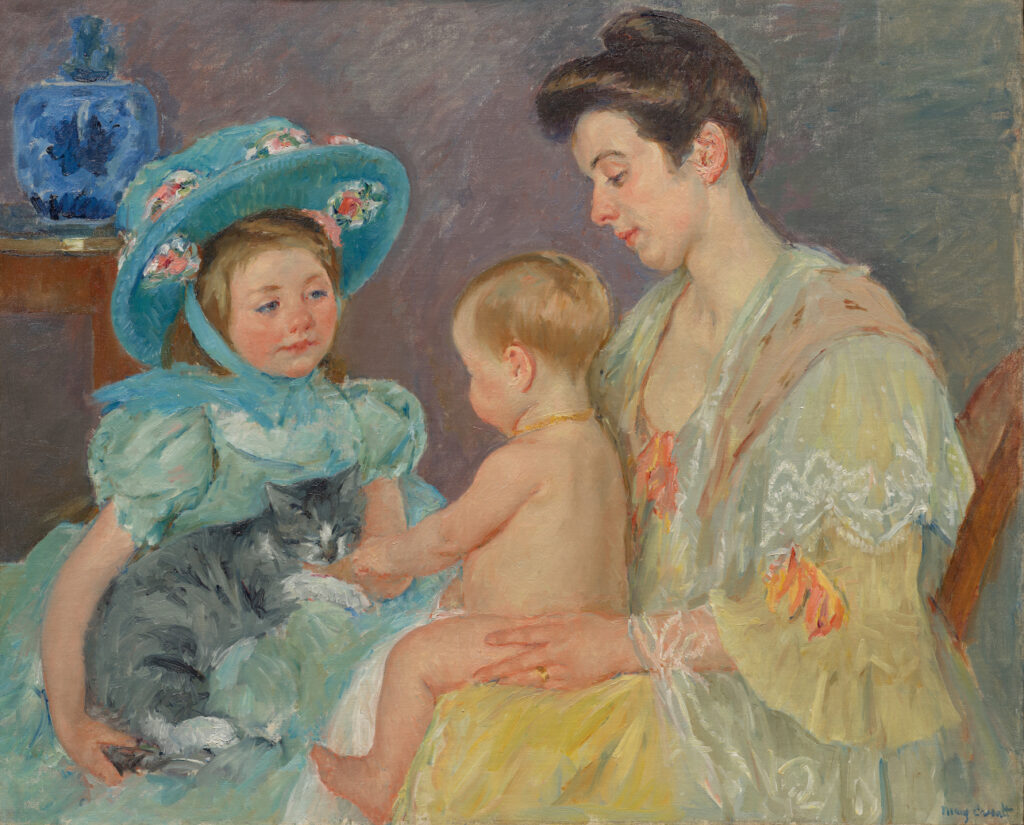
Some of the paintings in the collection include works of “traditional” painters, but in an eclectic range that attests to the roaming imagination and tastes of Lucas the collector. The museum walls offer art from Artemisia Gentileschi (whose The Triumph of Galatea was acquired by the museum in 2020 for $2.13M) to John Singer Sargent in his study of Velázquez’s Las Meniñas, to paintings by Renoir and Mary Cassatt, as well as numerous canvases by Thomas Hart Benton.
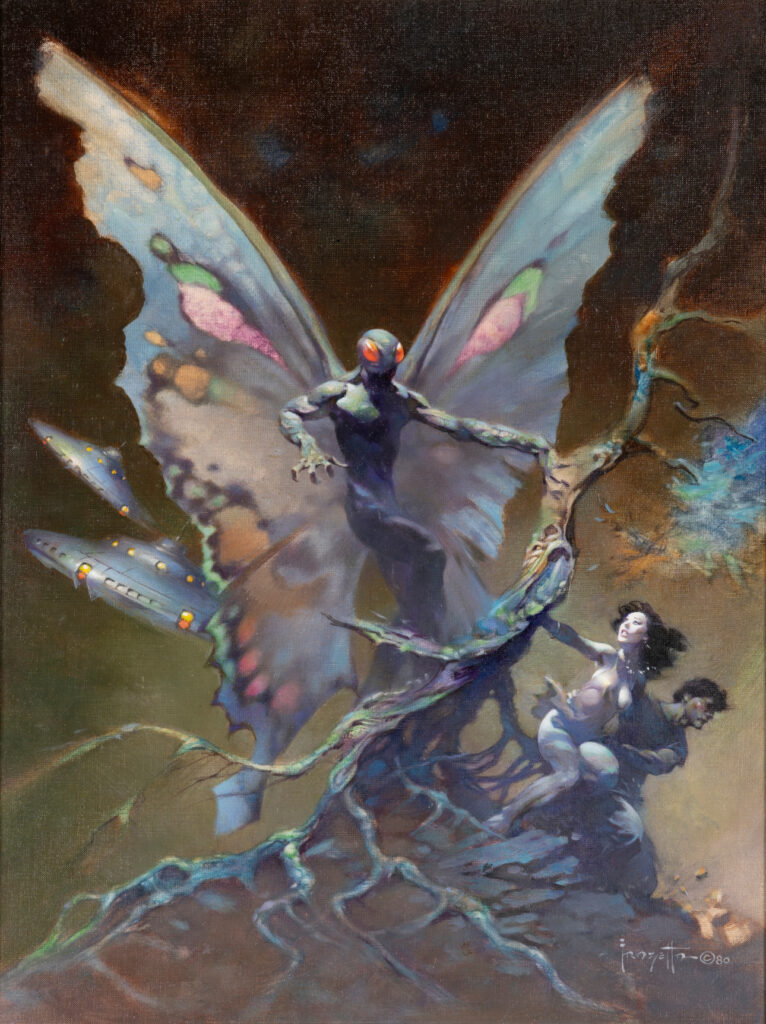
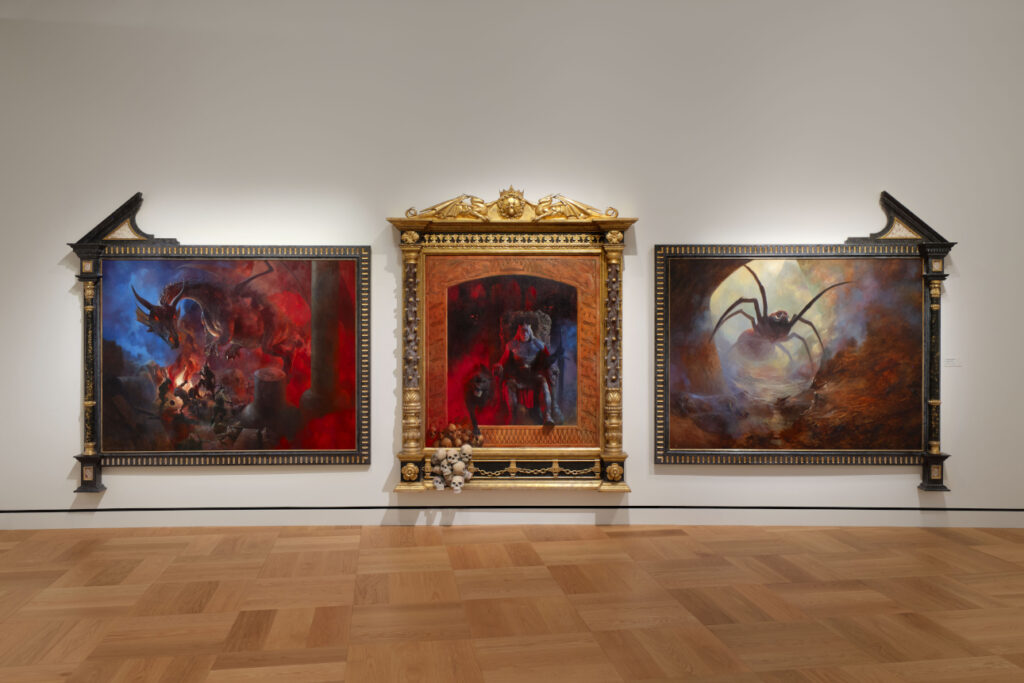
The rooms full of fantasy, sci-fi, and comic art are also extremely revelatory. They prove the museum’s (and presumably Lucas’s) mission statement that narrative art—even if expressed in such ephemeral mediums as a comic book, a set design project, or a children’s book illustration—is still the art that is rooted in the visual tropes and myths that are common to us all: myths of adventure and quest, the desire for a happy childhood and family, a yearning to explore the unknown, or the fear of imagined creatures from nightmares.
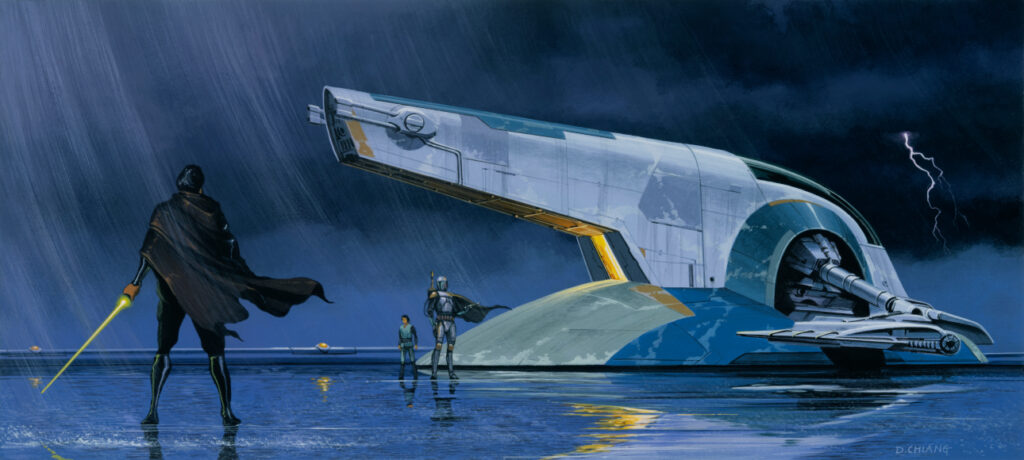
Doug Chiang. Starship Landing Platform. Production art for Star Wars: Episode II – Attack of the Clones. Photo: Courtesy Lucas Museum of Narrative Art
Last but not least, no fan of Star Wars will walk away disappointed either. There are rooms that feature original costumes, ships, and drones from the first six movies of the saga, as well as visualizations, storyboards, and concept art by the artists who created the movies’ visuals and objects: Doug Chiang, Aaron McBride, Ryan Church, Ralph McQuarrie, and many others.
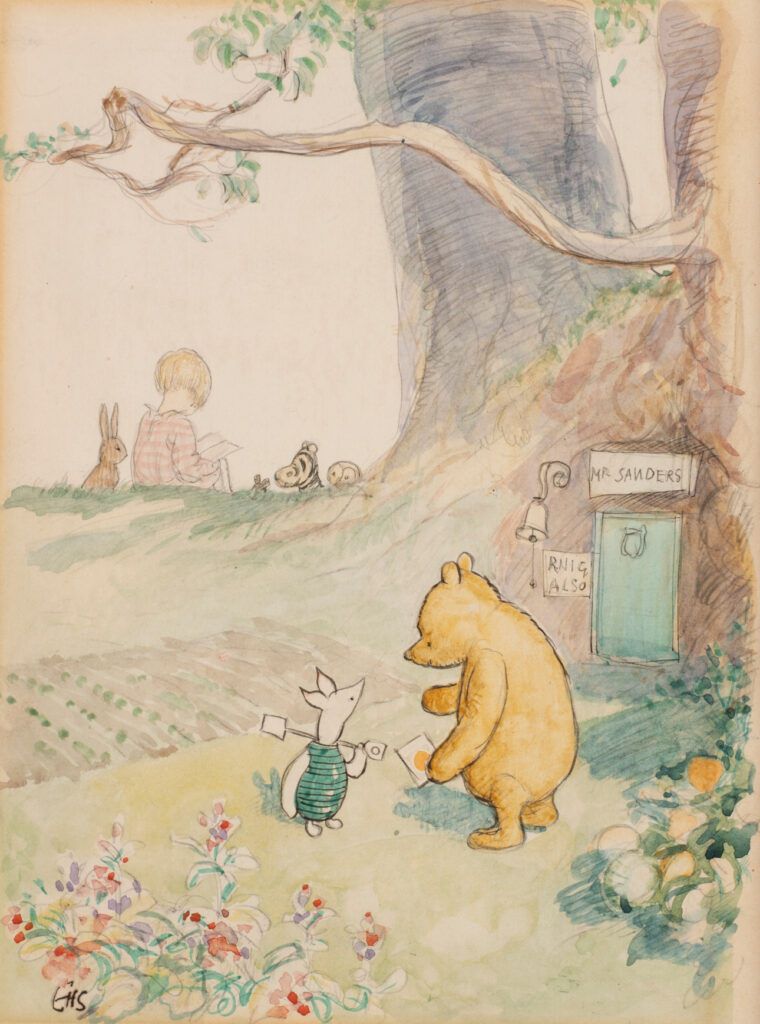
As with any visionary filmmaker, Lucas’s Star Wars universe would not be as rich and varied if not for inspiration from other artists and their imaginary worlds. It is fascinating to look at illustrations of comics and sci-fi books of the 1950s, romance and fairy tale illustrations from Victorian children’s books, historic tableaux on Roman antiquity or knights of the Middle Ages—all of them created without any ambition of being Fine Art (with capital letters) and not aspiring to be museum-grade paintings, yet providing equally imaginative sources and packing an equally emotional punch as the more “official” canvases. As Lucas himself explains, his film work brought him in contact with illustrators whose work was just as brilliant as that of “established” classic artists but who would not be recognized as “serious” enough. His enormous collection communicates the fallacy of making this rather arbitrary distinction—not much differentiates an Edmund Dulac illustration of an Andersen fairy tale from, say, a painting by Gabriel Dante Rossetti, but somehow art history seems to treat the latter more seriously.
It is not possible to see, in one visit, everything that the museum collection has to offer in 30 galleries spaced throughout 100,000 square feet. The museum also has a research library (beautifully built in cherry wood over three floors and filled with great art books), theaters for continuous video shows, and an art history gallery with 3D images of some of art milestones. The building is surrounded by a new 13-acre park dotted with sculptures. This is a place meant to be a continuous destination rather than just a tourist pit stop.